



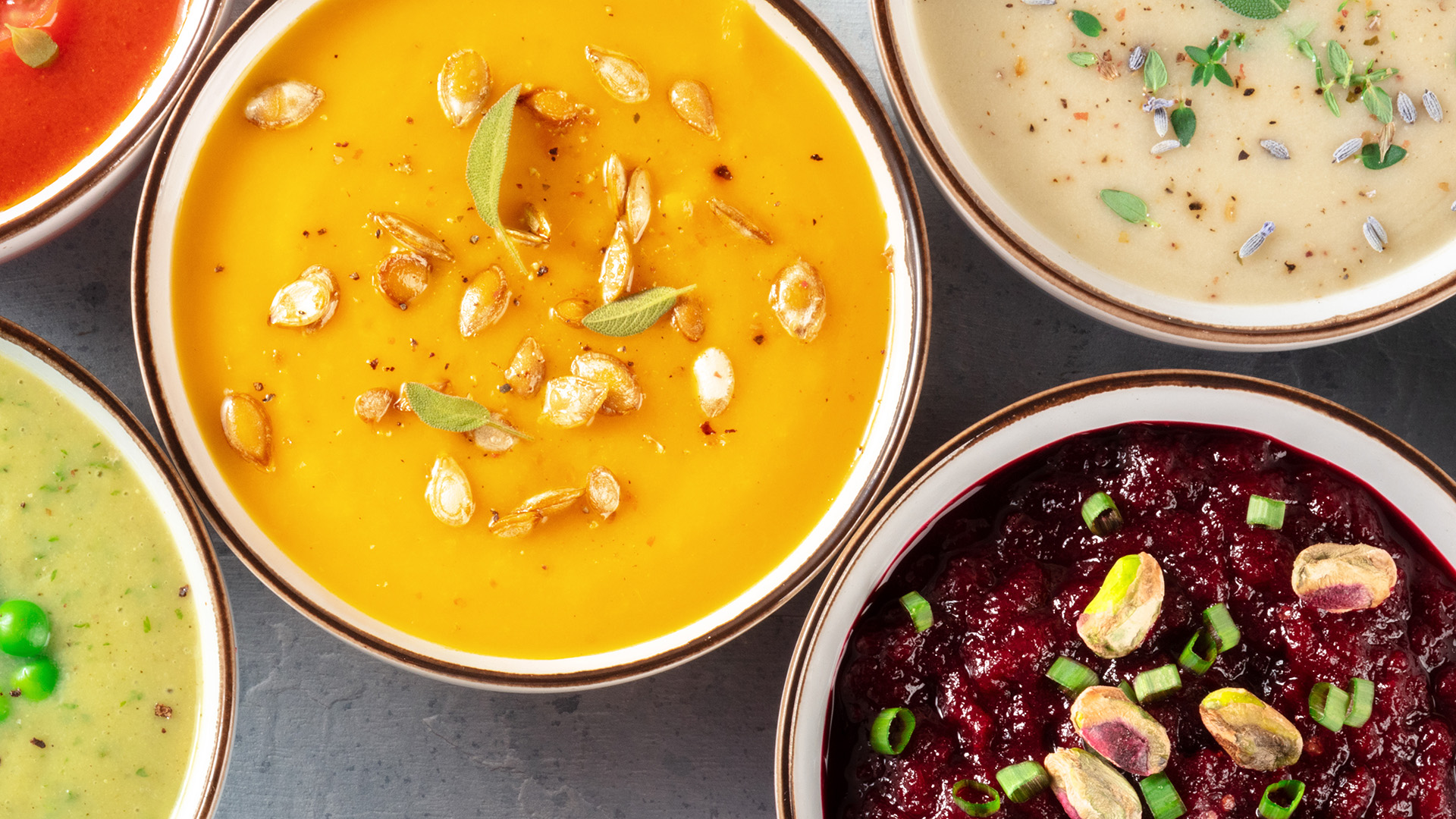
Starting braces can make everyday meals feel unfamiliar. Choosing soft foods for braces helps you stay comfortable, protect brackets and wires, and keep your nutrition on track. This guide covers what to eat, what to avoid, and how to prepare simple, tasty options that are gentle on a sore mouth while supporting your oral health throughout treatment. You’ll find practical ideas for soft foods to eat with braces and tips for building a balanced soft diet for braces day after day.
Introduction to Soft Foods for Braces
Soft foods play a key role during orthodontic treatment, especially in the first few days after braces are placed or adjusted. Tender teeth and gums are common, and chewing hard or sticky items can cause discomfort or damage. Selecting soft textures reduces pressure on sensitive areas and lowers the risk of broken brackets and bent wires. A well-planned soft diet for braces keeps you nourished while minimizing irritation.
Braces change how you eat. Biting into tough foods like crusty bread or raw carrots can be difficult, and food may collect around brackets and wires. Switching to softer choices makes chewing easier and helps prevent food debris from lingering, which can lead to plaque buildup if not cleaned thoroughly. Building a list of soft foods to eat with braces ensures you have options ready when soreness strikes.
Typical discomforts include soreness, gum irritation, and increased tooth sensitivity, particularly after tightening appointments. You may also notice minor mouth sores from new friction points. A soft-food plan helps you navigate these changes while keeping meals satisfying and nutritious. Many people find that committing to soft foods for braces during the first few days after adjustments helps them return to normal routines more quickly.
Best Soft Foods to Eat with Braces
Focus on foods that require minimal chewing, break down easily, and provide the nutrients your body needs for healing and growth during orthodontic care. The following ideas are reliable soft foods to eat with braces and fit well into a soft diet for braces.
- Dairy: Yogurt (especially Greek) offers protein and probiotics with no need to chew. Smoothies made with milk or yogurt add calcium for strong teeth. Cottage cheese, ricotta, and soft cheeses are gentle options.
- Fruits: Bananas are soft and naturally sweet. Applesauce delivers fiber without tough skins or seeds. Ripe peaches, pears, and melons can be cut small or blended into smoothies for easy eating.
- Vegetables: Mashed potatoes and sweet potatoes are soothing and filling. Cooked carrots, squash, and steamed broccoli become tender when well-cooked and chopped fine. Creamed spinach and blended vegetable soups are excellent choices.
- Grains: Oatmeal, cream of wheat, soft rice, and well-cooked pasta are mild and versatile. Choose whole grain options when possible for added fiber.
- Proteins: Scrambled eggs, omelets, tofu, soft beans (such as refried beans or well-cooked lentils), flaky baked fish, and shredded chicken are gentle on braces. Smooth nut butters add healthy fats and protein.
As you heal, you can reintroduce slightly firmer foods that are still tender and easy to chew, like turkey meatloaf, slow-cooked stews with very soft vegetables, or finely shredded beef. Always cut items into bite-size pieces and chew with care. Keep your list of soft foods for braces handy so you can adapt meals without sacrificing comfort.
Nutritional Considerations for Orthodontic Patients
A balanced diet matters even when you prioritize soft textures. Aim for a mix of protein, complex carbohydrates, healthy fats, and a variety of vitamins and minerals to support gum health, tooth enamel, and overall well-being. A thoughtful soft diet for braces can meet your nutritional needs without causing discomfort.
- Protein: Include eggs, Greek yogurt, cottage cheese, tofu, beans, fish, and tender poultry. Protein supports tissue repair, which is helpful when your mouth feels sore.
- Vitamins and minerals: Calcium and vitamin D help maintain strong teeth and bones, milk, yogurt, and fortified plant milks are good sources. Vitamin C supports gum health and healing; opt for soft fruits like oranges prepared as segments with membranes removed, kiwi in smoothies, and applesauce. Vitamin A from cooked carrots and sweet potatoes supports mucosal health. Iron from beans and soft meats helps energy and overall wellness.
- Fiber and hydration: Choose soft whole grains, pureed soups, and fruits like bananas and pears to support digestion. Drink plenty of water to wash away food particles around brackets and reduce plaque risk.
If you follow a specific diet, plan substitutions that keep the same nutrient profile. For example, use fortified almond milk for calcium or rely on tofu and beans for protein. Keep portions balanced and avoid leaning solely on starchy comfort foods, which can crowd out essential nutrients. With careful planning, soft foods to eat with braces can be just as nourishing as your usual meals.
Creative Soft Food Recipes
These easy ideas make it simple to eat well while keeping discomfort low. Each option fits into a soft diet for braces and can be adjusted to suit taste and texture preferences.
- Protein smoothie: Blend Greek yogurt, banana, frozen berries, and milk. Add a spoonful of smooth peanut butter or a handful of spinach for extra nutrients. Blend until silky to keep textures gentle.
- Creamy tomato-basil soup: Simmer tomatoes, onions, garlic, and basil with low-sodium broth. Blend until smooth and finish with a dollop of Greek yogurt for added protein and creaminess.
- Roasted vegetable puree: Roast carrots, sweet potatoes, and onions until tender. Blend with broth and a splash of olive oil for a nutrient-dense, velvety soup.
- Banana oat muffins: Combine ripe bananas, oats, eggs, and a touch of cinnamon. Bake until soft and moist. Use applesauce to replace part of the sugar and fat to keep muffins tender and tooth-friendly.
- Cheesy polenta bowl: Cook polenta extra soft and stir in shredded cheese. Top with flaky baked salmon or shredded rotisserie chicken and a spoonful of creamed spinach.
- Mashed potato cakes: Mix mashed potatoes with finely chopped, well-cooked vegetables and a beaten egg. Pan-sear gently until set, keeping the texture soft.
Keep seasonings mild if your mouth is sensitive, and adjust the texture by adding more liquid to soups or purees as needed. These recipes highlight soft foods for braces that don’t sacrifice flavor or nutrition.
Sample Soft Food Meal Plan
| Meal | Ideas |
| Breakfast | Greek yogurt with mashed banana; oatmeal cooked extra soft with applesauce; scrambled eggs with finely chopped spinach |
| Snack | Smoothie with milk, berries, and peanut butter; cottage cheese with soft peaches; hummus with very soft pita |
| Lunch | Blended vegetable soup; soft rice bowl with shredded chicken and avocado; macaroni and cheese with steamed, chopped broccoli |
| Snack | Ripe pear slices (peeled and cut small); refried beans with soft tortilla; ricotta with honey and cinnamon |
| Dinner | Cheesy polenta with flaky fish; mashed sweet potatoes with tender turkey meatloaf; well-cooked pasta with creamy tomato sauce |
Adjust portions to your energy needs. If you experience soreness after an adjustment, lean more on soups, smoothies, and purees until chewing feels comfortable again. This rotation keeps soft foods to eat with braces varied and satisfying throughout the week.
Foods to Avoid with Braces
Protect your braces by steering clear of foods that can break brackets, bend wires, or stick to teeth. Balancing soft foods for braces with safe habits prevents avoidable damage.
- Hard and crunchy: Nuts, popcorn, hard pretzels, thick crusty bread, raw carrots, and whole apples. If you want apples, choose applesauce or cook and cut them into small, soft pieces.
- Sticky and chewy: Caramel, taffy, gummy candies, and chewy sweets that cling to brackets and are difficult to clean.
- Sugary: Sodas, energy drinks, and candies. Sugar feeds bacteria and raises cavity risk around brackets, especially if cleaning is challenging.
- Acidic: Citrus juices, sports drinks, and vinegar-heavy dressings may irritate tender tissues and contribute to enamel erosion. If you consume acidic items, follow with water to help neutralize and rinse.
If you do have a sweet treat, rinse with water and brush thoroughly as soon as possible. Prioritizing a soft diet for braces makes it easier to avoid the hard, sticky, and crunchy culprits that cause setbacks.
Tips for Managing Discomfort While Eating
When your teeth are sore, choose cool foods to calm sensitivity. Yogurt, smoothies, chilled applesauce, and cool soups can be soothing. Very hot foods may increase sensitivity for some people, so use caution immediately after adjustments.
- Modify portions and texture: Cut food into small pieces, mash or shred when possible, and chew with back teeth to reduce pressure.
- Eat slowly: Take your time at meals to avoid accidental bite pressure on tender areas.
- Stay hydrated: Sip water throughout the day to keep your mouth clean and comfortable. Milk and fortified plant milks add calcium. Limit sugary and acidic beverages, and consider using a straw for smoothies to direct liquids away from sore spots.
- Comfort measures: Use orthodontic wax on brackets that rub the inside of your cheeks. Rinse with warm salt water to ease irritation. Over-the-counter pain relievers can help after adjustments, use as directed by your orthodontist.
- Gentle oral care: Maintain regular brushing and flossing with a soft-bristled brush and floss aids designed for braces to prevent inflammation from plaque buildup.
With the right soft foods for braces and smart habits, you can manage sore days comfortably while protecting your braces and supporting your overall health. Keep a list of soft foods to eat with braces on hand so you’re prepared after each appointment.
Meal Prep and Pantry Tips
A little planning makes brace-friendly eating easier, especially after tightening appointments. Prepping a soft diet for braces ensures you always have options that feel good and nourish well.
- Cook grains like rice or quinoa extra soft and store in small containers for quick reheating.
- Portion soups and purees into freezer-friendly jars or bags for ready-to-go meals.
- Keep ripe bananas, yogurt, milk, and pre-washed spinach on hand for fast smoothies.
- Prepare soft proteins like scrambled eggs, pulled chicken, or flaky fish and store for easy bowls.
- Stock pantry staples such as oats, applesauce, nut butter, and low-sodium broths for flexible meal building.
Build meals around a protein, a soft grain or starch, and a fruit or vegetable, adjusting texture and seasoning to your comfort level. This approach keeps soft foods for braces convenient and balanced.
Frequently Asked Questions
- How long should I stick to soft foods after getting braces? Most people prefer soft foods for the first few days after braces are placed or tightened. As discomfort eases, reintroduce tender, cut-up foods and continue to avoid items that are hard, crunchy, or sticky. Keeping a soft diet for braces during sore periods helps prevent accidental damage.
- Can I eat meat with braces? Yes, choose tender options like shredded chicken, flaky fish, turkey meatloaf, or slow-cooked meats. Cut into small pieces and chew gently. These are classic soft foods to eat with braces.
- Are smoothies okay every day? Smoothies are great when balanced with protein (yogurt or milk), healthy fats (nut butter), and fiber (fruits or oats). Watch added sugars and consider brushing after to prevent plaque buildup.
- Do I need supplements? Most people can meet needs through food. If you have dietary restrictions or concerns, ask your orthodontist or a registered dietitian about calcium, vitamin D, or iron supplements.
- What if food gets stuck in my braces? Rinse with water, use an interdental brush or water flosser to dislodge debris, and maintain regular brushing and flossing routines.
Key Takeaways
- Soft, nutrient-rich foods help manage soreness and protect braces from damage.
- Balance meals with protein, complex carbohydrates, healthy fats, and vitamins for overall oral and systemic health.
- Avoid hard, crunchy, sticky, and very sugary items to reduce breakage and cavity risk.
- Plan simple recipes and meal prep strategies so you have gentle, satisfying options ready when you need them.
- Use comfort measures and gentle oral care to keep your mouth healthy throughout treatment.
With a thoughtful approach to soft foods for braces, you can eat comfortably, keep your braces safe, and maintain excellent nutrition from the first appointment to the final smile reveal. Keep prioritizing soft foods to eat with braces and maintain a consistent soft diet for braces whenever your mouth feels tender.