



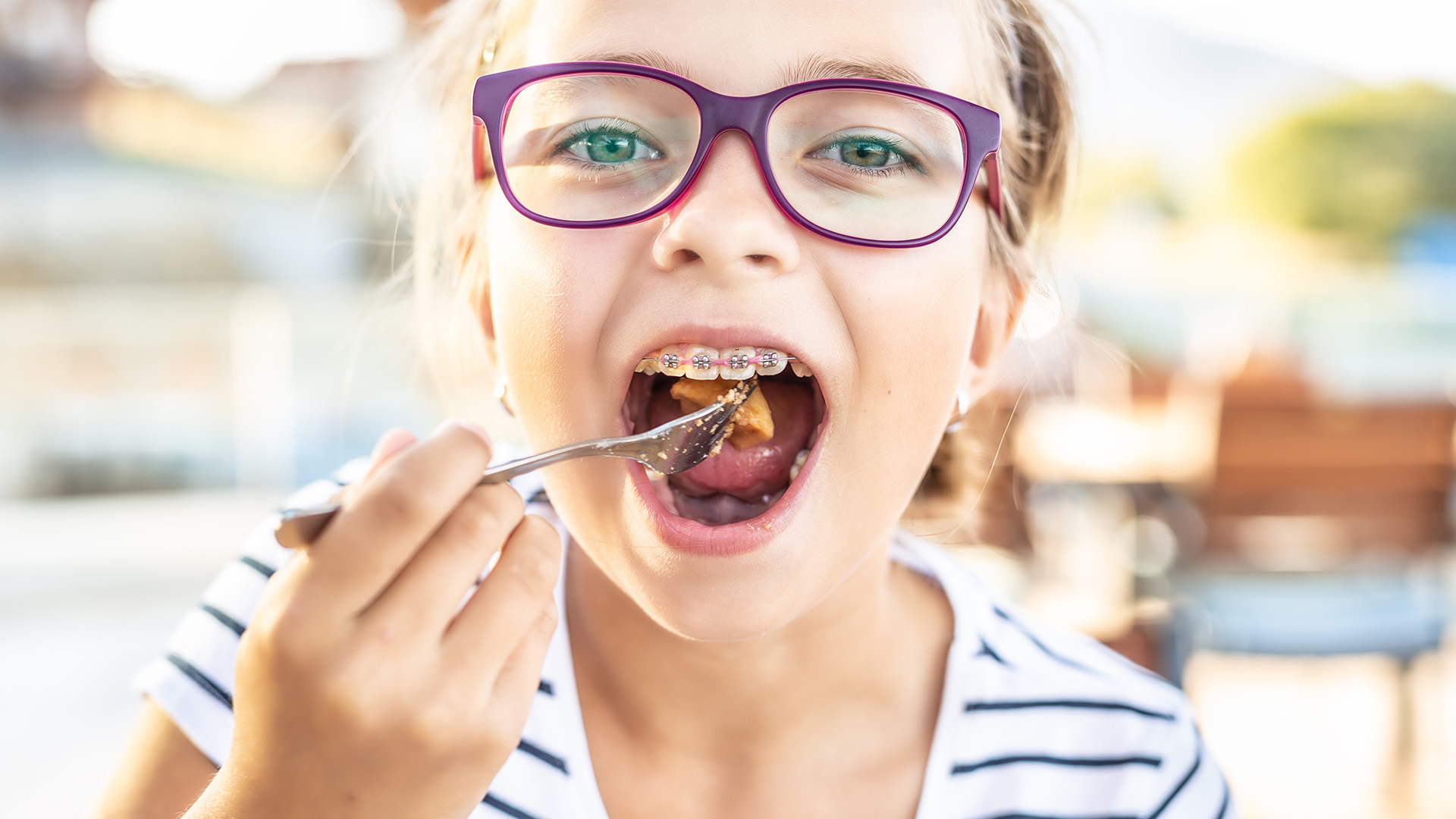
Braces change your eating routine, but they do not have to limit enjoyment or nutrition. With a few smart choices, you can protect brackets and wires, ease soreness, and keep your smile healthy throughout treatment. Use this guide to learn what to eat when you have braces, what to avoid, and how to care for your teeth after every meal. If you are wondering what to eat when you have braces during the first few weeks or after adjustments, the tips below will help you feel comfortable and confident.
How Braces Affect Eating and Oral Care
Food texture matters. Hard or sticky items can bend wires, loosen brackets, or lodge around braces. Highly pigmented sauces and drinks may stain elastics. Choosing braces-safe foods reduces breakage, manages discomfort, and lowers the risk of cavities and white spot lesions around brackets.
Chewing and biting change, especially early on. Biting with your front teeth is harder and riskier, so cut foods into small pieces and chew with your back teeth. Adjust meal prep: cook foods until tender, peel tougher skins, blend smoothies, or mash foods to make them easier to eat. Speech may feel different for a short time after new braces or adjustments, but it typically improves quickly.
Daily hygiene is essential. Brush after every meal with a soft brush, angling bristles 45 degrees above and below brackets. Floss daily with a threader or orthodontic flosser, and consider a water flosser to clear debris around wires. Rinse with fluoride mouthwash once a day to strengthen enamel. Keep interdental brushes handy to dislodge stuck food, and drink water regularly to help cleanse your mouth.
Foods to Avoid and Why
Hard, sticky, and crunchy foods can break or dislodge braces. Avoid:
- Nuts, hard candies, popcorn kernels, ice, tortilla chips
- Crackling, crusty bread ends, jerky, thick pizza crusts
- Caramel, taffy, chewy candies, gummy vitamins
- Whole apples, raw carrots, and corn on the cob unless modified
Sugary and acidic items raise decay risk where plaque collects around brackets. Limit soda (including diet), sports and energy drinks, sweet tea, lemonade, fruit juice, and sweetened coffee drinks. Frequent snacking on sweets, dried fruit, or sticky granola bars feeds bacteria that cause cavities and white spots. If you choose sweets, keep portions small, eat them with a meal, and rinse or brush soon after.
Be cautious during sports, social events, and travel. Wear a mouthguard for contact sports. At parties or on the go, choose softer options and avoid biting into whole foods like corn dogs, apples, or chicken wings. Remove meat from the bone and cut foods into small pieces. When traveling, bring a braces-safe snack kit and basic cleaning tools to prevent problems between meals.
Best Foods to Eat with Braces (Meal and Snack Ideas)
Choose soft, nutrient-dense options that protect braces and support overall health. If you are deciding what to eat when you have braces for breakfast, lunch, dinner, or snacks, the ideas below offer comfortable, balanced choices.
| Meal | Braces-Friendly Ideas |
| Breakfast | Scrambled eggs; omelets with soft veggies; oatmeal topped with ripe banana or soft berries; yogurt with smooth nut butter; pancakes or waffles without nuts; smoothies with milk or yogurt and blended fruit |
| Lunch | Tuna or chicken salad on soft bread; turkey and avocado roll-ups; pasta salad with small soft vegetables; hummus with soft pita; baked potato with cottage cheese |
| Dinner | Baked or poached fish; shredded chicken or slow-cooked beef; turkey meatballs; mashed or roasted vegetables; rice, quinoa, couscous; soft-cooked pasta; soups and stews (great after adjustments) |
| Snacks | Applesauce; yogurt; cottage cheese; ripe bananas; soft cheese; smoothies; pudding; soft granola bars without nuts; refried beans; guacamole with soft tortillas |
Try simple substitutions for problem foods:
- Slice apples thin or choose applesauce instead of biting whole apples
- Steam or roast carrots instead of eating them raw
- Swap nuts and popcorn for yogurt or cheese
- Choose boneless, shredded meats instead of meat on the bone
- Blend fibrous greens into smoothies rather than eating them raw
- Pick soft bread over crusty baguettes and cook vegetables until tender
Build balanced plates to support oral and overall health. Include a protein (eggs, poultry, fish, beans, tofu), a soft whole grain (oatmeal, quinoa, whole wheat pasta), and cooked vegetables or soft fruit. Add calcium-rich foods like milk, cheese, or yogurt, and drink plenty of water. Limiting frequent snacking helps reduce plaque buildup around brackets.
Managing Pain, Soreness, and New Braces
Teeth may feel tender for a few days after getting braces or an adjustment. Focus on very soft foods: yogurt, smoothies, applesauce, mashed potatoes, scrambled eggs, oatmeal, broth-based soups, and well-cooked pasta or rice. Cold foods and drinks can be especially soothing when you are deciding what to eat when you have braces during the most sensitive days.
To ease soreness and inflammation, try cold smoothies, chilled yogurt, or sugar-free ice pops. Rinse with warm salt water (1/2 teaspoon of salt in 8 ounces of warm water) several times a day. Over-the-counter pain relievers can help when used as directed by your healthcare provider. Apply orthodontic wax over brackets or poking wires that irritate cheeks and lips.
Contact your orthodontic team if pain is severe or lasts longer than a few days, if a bracket comes loose, if a wire breaks or is poking and cannot be covered with wax, or if you notice swelling or signs of infection. Prompt care helps keep treatment on track.
Practical Tips for Eating with Braces
Prepare foods to protect your braces:
- Cut foods into bite-sized pieces and avoid biting with your front teeth
- Cook meats until tender and shred them
- Steam or roast vegetables until soft; peel tough skins
- Choose creamy nut butters and spread thinly
- If bread is very crusty, select a softer option or toast lightly
Adopt smart chewing habits:
- Take small bites and chew slowly with your back teeth
- Avoid tugging on foods like bagels or corn on the cob
- Keep portions moderate to reduce strain on brackets and wires
- If a food feels too tough, switch to a softer alternative
Clean thoroughly after meals. Swish with water, then brush for two minutes, angling bristles above and below brackets. Use interdental brushes to clean around wires and between brackets. Floss daily with a threader or orthodontic flosser, and consider a water flosser for extra debris removal. For travel, pack a compact toothbrush, fluoride toothpaste, floss or flossers, interdental brushes, orthodontic wax, and a small bottle of fluoride mouthwash. Consistent care keeps your braces functioning well and your smile healthy.