



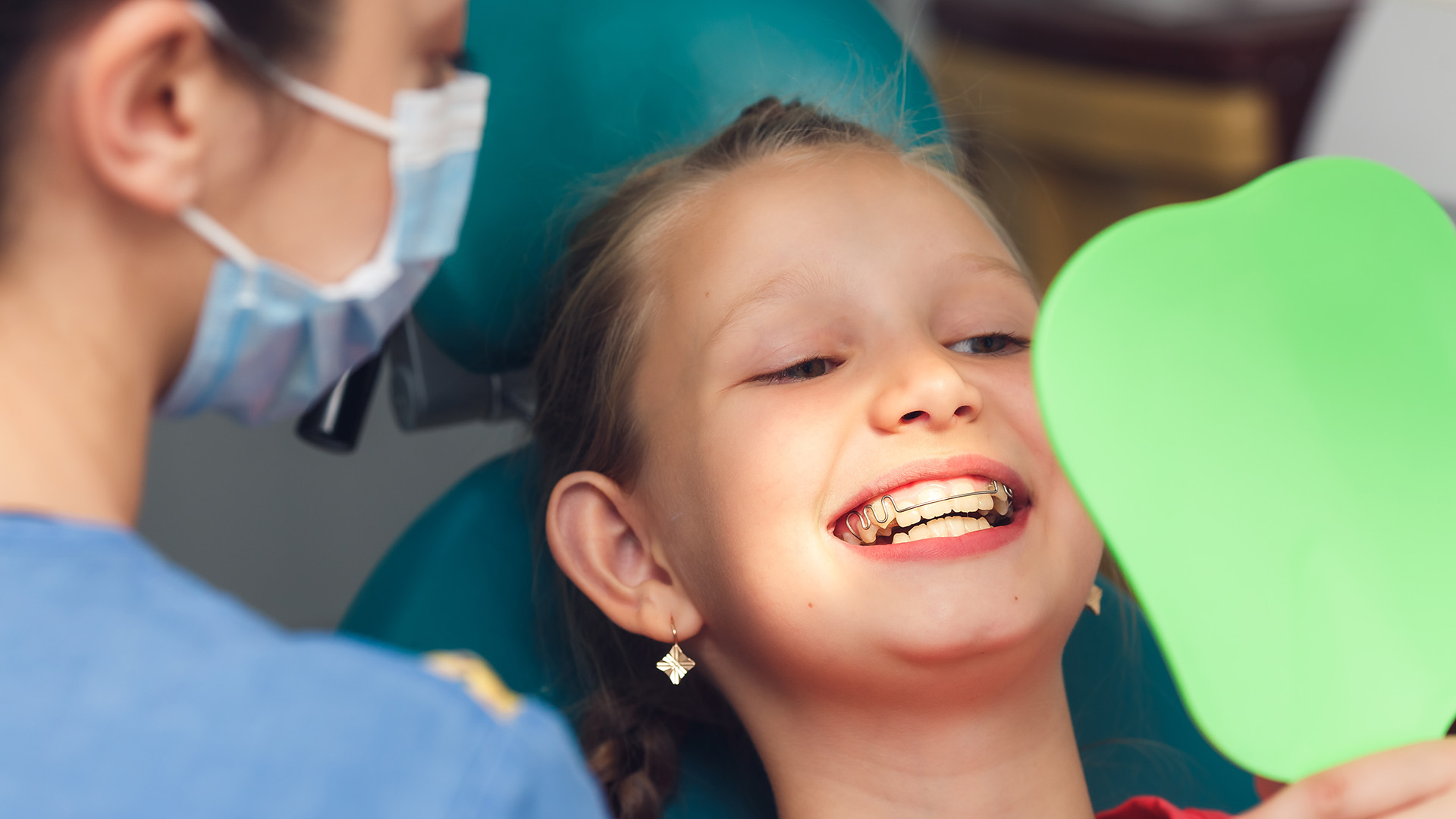
A healthy, normal bite does more than make a great first impression, it supports strong teeth, comfortable jaws, efficient chewing, and long-term oral health. When your upper and lower teeth meet properly, everyday activities like eating and speaking feel natural and pain-free. The benefits of correcting your bite include improved comfort, better oral hygiene, and enhanced confidence. With modern orthodontic care and a focus on lasting results, achieving a proper bite can enhance your health, function, and well-being.
What Is a Proper Bite and Common Bite Problems
A proper bite, sometimes referred to as normal occlusion, occurs when the upper and lower teeth fit together in a balanced way. The top teeth slightly overlap the bottom teeth in front, the molars interlock comfortably, and the jaws function smoothly without strain. This balanced alignment distributes chewing forces evenly, helping protect teeth and joints. Establishing a correct bite supports efficient function and reduces unnecessary wear over time.
Malocclusion refers to any misalignment of the teeth or jaws. Common types include:
- Overbite: Upper front teeth overlap the lower front teeth more than ideal, which can cause excessive wear or gum irritation.
- Underbite: The lower front teeth sit ahead of the upper front teeth, often related to jaw growth differences.
- Crossbite: Upper teeth sit inside the lower teeth on one or both sides, leading to uneven wear and potential asymmetry.
- Open bite: Front or back teeth do not touch when the jaws are closed, making it difficult to bite into certain foods and pronounce some sounds.
- Crowding: Teeth overlap or twist due to limited space, complicating cleaning and overall alignment.
Bite problems can stem from genetics, jaw or tooth size discrepancies, and growth patterns during childhood and adolescence. Early or late loss of baby teeth, habits like thumb sucking or tongue thrusting, trauma, missing teeth, and changes from dental restorations can also affect alignment over time.
Warning signs include chipping or uneven wear, frequent fractures, jaw pain or clicking, difficulty chewing, speech challenges such as lisps, mouth breathing, or the sensation that your teeth do not come together evenly. If you notice these symptoms, an orthodontic evaluation can identify the cause and outline appropriate solutions.
Oral Health Benefits of Correcting Your Bite
Balancing how your teeth meet reduces excessive forces on individual teeth. This helps prevent cracks, fractures, and premature wear that shorten the lifespan of enamel and restorations. When the bite is aligned, chewing forces are shared more evenly, protecting both front and back teeth. The benefits of correcting your bite also include protecting dental work and lowering the likelihood of future repairs.
Straighter teeth are easier to brush and floss, which lowers the risk of tooth decay and gum disease. Crowded or rotated teeth trap plaque and make cleaning difficult; correcting alignment opens access to every surface, making daily home care and professional cleanings more effective.
Bite correction also supports long-term oral stability. Addressing misalignment early can help prevent future complications like gum recession, bone loss around teeth, and the need for extensive restorative treatments. Preserving the health of your bite can extend the longevity of your natural teeth and any existing dental work.
Functional and Health Improvements
When your bite functions efficiently, chewing becomes easier and more thorough. Properly aligned teeth break down food more effectively, supporting better digestion and nutrient absorption. Many patients enjoy a wider variety of foods with less discomfort and fewer jaw aches.
Misaligned bites can strain the jaw joints and chewing muscles, contributing to jaw pain, TMJ symptoms, headaches, earaches, and neck or shoulder tension. Correcting the bite often reduces these stresses, leading to more comfortable jaw movement and fewer flare-ups of muscle fatigue.
In some cases, bite correction also supports improved breathing and sleep quality. Narrow dental arches, crowding, or certain jaw positions can contribute to airway resistance. Orthodontic treatments that expand dental arches or balance jaw relationships may alleviate airway issues, potentially improving snoring, sleep efficiency, and overall energy levels. If sleep-disordered breathing is a concern, collaboration with your dentist or physician can provide a comprehensive plan.
Aesthetic and Social Benefits
Aligned teeth and jaws enhance facial balance and smile harmony. Correcting a deep overbite, crossbite, or spacing issues can refine how your lips and cheeks rest, giving your face a more symmetrical, relaxed appearance. The result is a confident smile that looks natural from every angle.
Improved tooth relationships can also enhance speech clarity. Open bites, gaps, and certain malocclusions can influence sounds like “s,” “t,” and “th.” With proper alignment, many people notice clearer, more consistent speech.
The social and psychological gains are significant. A confident smile can positively influence self-esteem, professional opportunities, and personal interactions. Many people report feeling more comfortable in photos, presentations, and conversations after treatment, benefits that extend well beyond the mirror.
What to Expect from Bite Correction Treatment and Long-term Care
Care plans are individualized and may use customized appliances, modern braces, clear aligners, and adjunctive therapies when needed. Some patients may benefit from elastics, expanders, bite turbos, or coordinated care with their general dentist. Timelines vary; most comprehensive bite corrections take 12 to 24 months, with simpler cases finishing sooner and complex cases requiring additional time.
Your journey begins with a thorough evaluation that may include digital scans or impressions, photos, and X-rays. Goals and findings are reviewed to design a step-by-step plan. During active treatment, you will have regular progress checks to ensure teeth are moving as planned and to make any necessary adjustments. Clear communication helps you know what to expect at each phase and how to keep your teeth and gums healthy along the way as you work to correct your bite.
Once alignment is achieved, retention protects your results. Retainers, either removable or fixed, are essential to prevent relapse as teeth naturally try to drift back. A tailored retainer schedule, along with maintenance tips, keeps appliances clean and comfortable. Consistent home care, including daily brushing and flossing, plus routine dental visits, helps maintain your bite and overall oral health for the long run.
Realistic outcomes focus on health, function, and aesthetics. While every smile is unique, most people experience noticeable improvements in comfort, appearance, and confidence. Following your retainer plan and attending periodic check-ins are the best ways to protect your investment and enjoy a stable, healthy, and normal bite for years to come.