



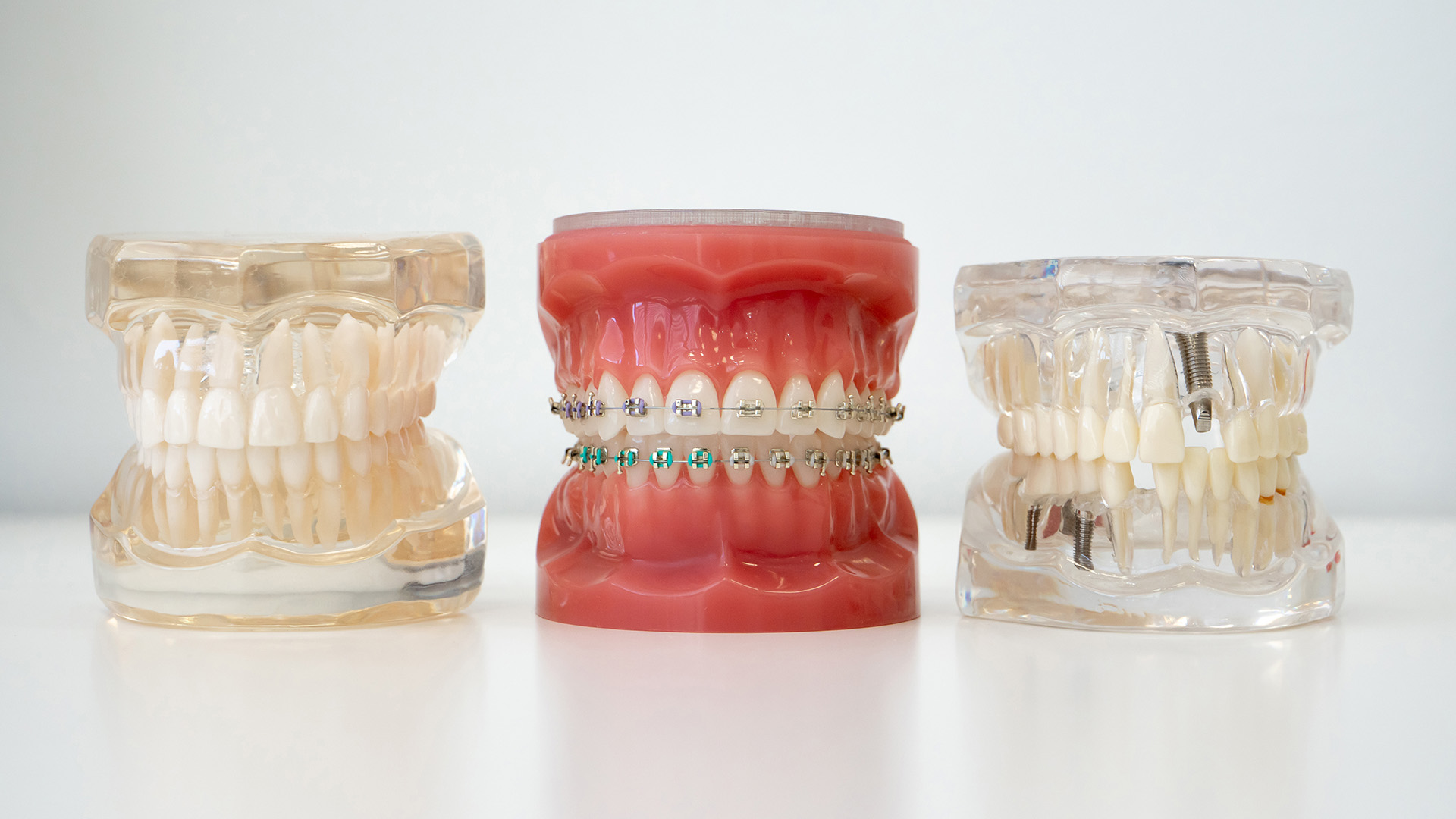
Braces create healthy, confident smiles, but occasional hiccups can happen between visits. This braces emergency care guide explains what qualifies as an emergency, what you can manage safely at home, and when to contact your orthodontic office or seek urgent medical care. Keep this braces emergency care guide handy and consider assembling a small emergency kit so you’re prepared for the unexpected.
When Is a Braces Emergency?
Many braces issues are uncomfortable or inconvenient but not true emergencies. Knowing the difference helps you act quickly and safely.
True medical emergencies involve immediate risks to your health and require urgent attention. Seek emergency care right away for any of the following:
- Severe or uncontrolled bleeding
- Facial or jaw trauma
- Difficulty breathing or suspected inhalation of an orthodontic part
- Possible fractured jaw
- Signs of serious infection, such as fever with facial swelling that affects swallowing or breathing
If you experience these symptoms, call 911 or go to the nearest emergency room first.
Urgent but non-emergency orthodontic concerns can usually be managed at home for a short time while you arrange a visit. These include:
- Loose or detached brackets
- Broken, protruding, or irritating wires
- Lost elastics or ligatures
- Minor mouth sores from irritation
- Mild bleeding from soft tissue irritation
Contact your orthodontic office if you have a loose or popped-off bracket, a poking wire, a lost elastic, a broken retainer, or discomfort that doesn’t improve with simple home measures. Visit an emergency room or your general dentist first for traumatic injury to the face or teeth, uncontrolled bleeding, suspected inhalation with breathing trouble, or severe pain with fever or other systemic symptoms. After medical care is provided, your orthodontic team can coordinate any needed follow-up.
Common Braces Problems and Quick Home Remedies
Most day-to-day issues can be handled temporarily at home until you are seen. Always wash your hands and use a well-lit mirror when working in your mouth.
Loose or Popped-Off Bracket
- If the bracket is still on the wire and sliding, gently move it to a comfortable position and cover it with orthodontic wax to prevent rubbing.
- If the bracket has come off the tooth entirely, place it in a small container or sealable bag to bring to your appointment. Do not try to glue it back on.
- Call your orthodontic office to arrange a repair; timely reattachment helps keep your treatment on track.
Protruding or Poking Wire
- Cover the wire end with orthodontic wax to reduce irritation.
- If the wire has slipped out of a back bracket tube, use sterile tweezers to gently guide it back into place if you can do so comfortably.
- If the wire still pokes, you may carefully clip the very end with a clean nail clipper or small wire cutter. Place a folded tissue behind the area to catch the cut piece. Rinse afterward and reapply wax for comfort.
- Contact your orthodontic office to schedule a visit so the wire can be secured and adjusted.
Lost or Broken Elastic/Ligature and Minor Discomfort
- If a colored elastic ligature comes off, keep the area clean and avoid hard or sticky foods on that side until it is replaced.
- If a thin metal ligature is untwisted and poking, use the eraser end of a pencil or sterile tweezers to tuck it under the archwire, or cover it with wax.
- For general tenderness after adjustments or mild irritation, rinse with warm salt water and use over-the-counter pain relievers as directed.
Managing Pain, Swelling, and Oral Bleeding
Temporary soreness is common, especially after an adjustment. You can ease symptoms at home while watching for warning signs that need professional care.
Safe At-Home Pain Relief
- Consider acetaminophen or ibuprofen as directed on the label unless a healthcare provider has advised you to avoid these medications.
- Apply a cold compress on the cheek for 10 to 15 minutes at a time to reduce swelling and numb discomfort.
- Rinse with warm salt water (1/2 teaspoon of salt in 8 ounces of warm water) two to three times daily to soothe irritated gums and cheeks.
Controlling Mouth Bleeding
- For minor bleeding from cheek or gum abrasions, apply gentle, steady pressure with clean gauze or a cool, damp tea bag for 10 to 15 minutes.
- Cover the irritating bracket or wire with orthodontic wax and avoid sharp or crunchy foods until the area heals.
- If bleeding is heavy or doesn’t slow after 15 minutes of firm pressure, seek urgent care.
When Pain or Swelling Signals a Complication
- Persistent or worsening pain
- Swelling lasting beyond 48 to 72 hours
- Pus, foul taste, fever, or swollen lymph nodes
These can indicate infection or another problem. Contact your orthodontic office promptly. If swelling affects swallowing or breathing, or you develop a high fever, seek emergency medical care immediately.
Swallowed or Inhaled Orthodontic Parts
Occasionally, a small component such as a bracket, elastic, or wire tip may come loose. Recognizing the signs helps you respond appropriately.
Assessing the Situation
- Swallowed parts usually pass through the digestive system without problems. Signs may include a brief cough with no ongoing breathing difficulty and the ability to talk and swallow normally afterward.
- Inhalation into the airway is more serious. Symptoms include persistent coughing, wheezing, gagging, chest discomfort, difficulty breathing, or inability to speak normally.
Immediate Actions
- If inhalation is suspected and there is breathing difficulty, call 911 or go to the emergency room immediately.
- If the person is choking and cannot breathe, follow basic first aid guidance for choking while emergency help is on the way.
- If the item was swallowed without respiratory symptoms, monitor for discomfort and contact your orthodontic office for advice. Do not attempt to retrieve anything from the throat with fingers or tools.
Documentation and Follow-Up
Your orthodontic team will record the incident, note the component involved, and coordinate any medical or dental follow-up. They will evaluate your appliances, replace lost parts when safe, and adjust your treatment plan to help prevent recurrence.
Emergency Care Kit: What to Keep at Home
A small, well-stocked kit can turn a stressful situation into something manageable. Keep the items together in a clean container and check them periodically.
Essential Items
- Orthodontic wax to cushion brackets and wires
- Sterile tweezers to reposition a ligature or guide a wire
- Dental floss and interproximal brushes to remove trapped food
- Over-the-counter pain relievers such as acetaminophen or ibuprofen
- Small gauze pads for pressure on minor bleeding
- Temporary orthodontic cement or a temporary dental repair material to secure a loose band or cushion a sharp edge until your visit
- A small mirror and flashlight for better visibility
- Alcohol wipes for cleaning tools
How to Use Items Safely
- Wash your hands before handling any orthodontic part.
- Disinfect tweezers before use and handle gently to avoid soft tissue injury.
- Use wax on dry brackets or wire ends by rolling a small pea-sized piece and pressing it firmly into place.
- If you use temporary cement, follow package instructions exactly and treat it as a short-term solution until a professional repair is completed.
Storage and Safety Tips
- Keep medications in original containers with child-resistant caps and store the kit out of reach of young children.
- Check expiration dates regularly and replace items as needed.
- If anyone in the household has allergies to pain relievers or latex, choose latex-free supplies and medications approved by their physician.
Prevention, Aftercare, and When to Schedule an Appointment
Prevention reduces the chance of emergencies and keeps your treatment progressing smoothly. A few daily habits go a long way.
Prevention Tips
- Follow dietary guidelines by avoiding hard, sticky, and chewy foods like ice, popcorn kernels, hard candies, toffee, and gum that can bend wires or break brackets.
- Cut raw fruits and vegetables into small pieces and chew with your back teeth.
- Wear a properly fitted mouthguard during sports and recreational activities.
- Brush thoroughly after meals using a soft-bristled brush and fluoride toothpaste, and clean around brackets and under wires with floss threaders or a water flosser.
- Attend all scheduled appointments so minor issues are corrected before they become bigger problems.
What to Expect During an Emergency Visit
At an emergency visit, the orthodontic team will assess the problem, secure or replace broken components, smooth sharp edges, and check your bite and wire placement. They will review what caused the issue, recommend comfort measures, and update your treatment plan if needed. These appointments are focused on resolving the immediate concern, with follow-up scheduled for comprehensive adjustments when appropriate.
When to Schedule
Call your orthodontic office promptly if you have a loose bracket, a broken or poking wire, a lost ligature, persistent soreness beyond a couple of days, swelling, or any issue you’re unsure about. If you received medical care for facial trauma or suspected inhalation, contact the office once you’re stable so safe orthodontic follow-up can be coordinated. The sooner you are seen, the easier it is to prevent setbacks in your treatment timeline.