



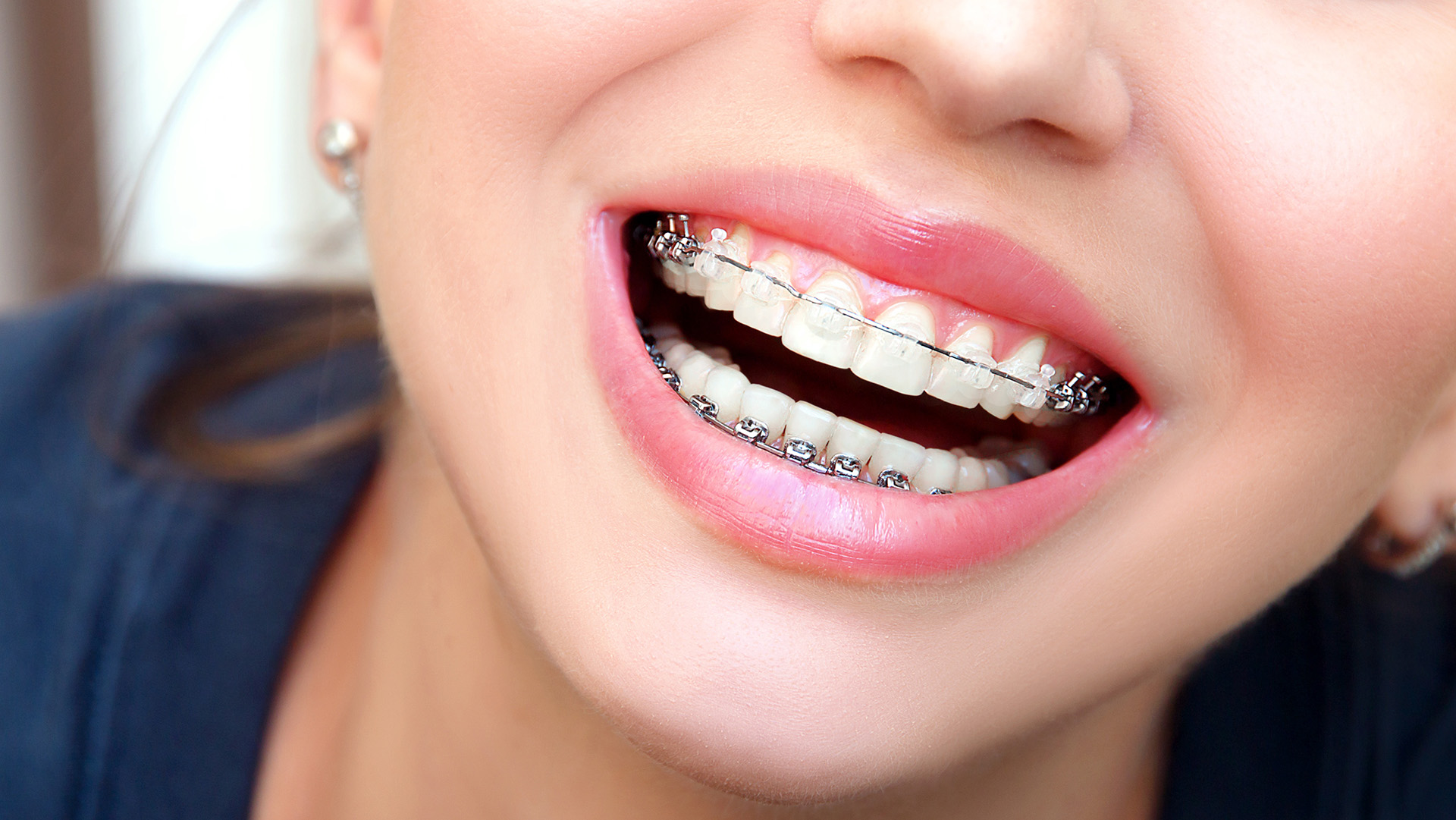
Ceramic braces use tooth-colored or clear brackets with traditional orthodontic wires to move teeth discreetly. If you are comparing ceramic braces or metal braces or clear aligners, it helps to understand how they look, feel, and perform day to day. Below, you will find the key advantages and trade-offs, who benefits most, costs, timelines, and how to care for ceramic braces from start to finish. For quick decision-making, we also summarize the ceramic braces pros and cons throughout this page.
Pros and Cons of Ceramic Braces
The biggest appeal of ceramic braces is their appearance. Clear or tooth-colored brackets blend in with your smile, and many systems pair them with clear or white elastic ties. Up close they are visible, but at normal conversation distance they are less noticeable than stainless steel braces, an important factor for many teens and adults weighing ceramic braces or metal options.
Comfort is similar to metal braces for most people. Ceramic brackets can be slightly larger and may feel bulkier at first, which can lead to mild cheek or lip irritation until your mouth adapts. Modern bracket designs are smoother to minimize rubbing, and orthodontic wax can ease any hot spots during the first few weeks. If you have sensitive soft tissues, ask your orthodontist about bracket design and wire options.
Effectiveness is a strong point. Ceramic braces can address crowding, spacing, overbites, underbites, crossbites, and tooth rotations much like metal braces. Because they are fixed to your teeth and work around the clock, they are reliable for mild through complex cases. In situations that require heavier forces or where durability is a concern, your orthodontist may recommend using metal brackets on certain teeth to reduce breakage and maintain efficiency.
Potential downsides include a higher chance of bracket fracture compared with metal and staining of elastic ties (the ceramic brackets themselves typically resist discoloration). Some systems create a bit more friction between the bracket and wire, which can slightly extend treatment time in certain cases. Good oral hygiene and following food guidelines help reduce these issues. Understanding the ceramic braces pros and cons can help you set realistic expectations before treatment begins.
- Pros: discreet look, effective for a wide range of cases, continuous tooth movement
- Cons: ties may stain, brackets can be more brittle, possible modestly longer treatment in some cases
Who Is a Good Candidate for Ceramic Braces?
Ceramic braces are a smart choice for image-conscious teens and adults who want a subtler appearance without giving up the control of fixed braces. They are suitable for many orthodontic needs, from mild crowding to moderate bite problems. Healthy gums and strong enamel are important for secure bonding of the brackets.
Lifestyle and hygiene habits play a role. Clear elastic ties can discolor with coffee, tea, red wine, curry, or tobacco. Candidates should be willing to limit stain-prone foods and drinks and brush after meals. Excellent brushing and flossing are essential to keep brackets clean and gums healthy. If you play contact sports, a custom mouthguard helps protect your lips and brackets.
If you grind or clench your teeth frequently, or if your case requires significant bite changes using higher forces, your orthodontist may recommend a hybrid plan, ceramic on upper front teeth for aesthetics and metal on lower or back teeth for added durability. A comprehensive exam that includes photos, X-rays, and a bite analysis will determine whether full ceramic, a mixed approach, or another treatment best meets your goals when deciding between ceramic braces or metal.
Cost of Ceramic Braces Compared to Other Options
In the United States, ceramic braces usually cost more than metal braces and are often comparable to, or slightly higher than, many clear aligner plans. Fees vary by region and case complexity, but typical ranges are:
| Treatment | Typical Cost Range |
| Metal braces | $3,000–$7,000 |
| Ceramic braces | $4,000–$8,500 |
| Clear aligners | $3,500–$8,000 |
Many dental insurance plans that include orthodontic benefits apply the same lifetime maximum regardless of bracket type. Coverage typically pays a percentage of the total up to a set cap for patients who meet plan criteria. Our team can review your benefits, submit pre-estimates, and help you understand out-of-pocket costs before treatment begins.
Flexible payment options are common, including interest-free monthly plans, extended financing through third-party lenders, and the use of HSA or FSA funds. Beyond aesthetics, properly aligned teeth are easier to clean and can reduce uneven wear and strain on the jaw, supporting long-term oral health. When comparing ceramic braces or metal on cost alone, remember to weigh the ceramic braces pros and cons alongside your budget and lifestyle.
Length of Treatment with Ceramic Braces
Treatment with ceramic braces typically takes about 18 to 30 months, similar to metal braces. Simple alignment cases may finish closer to a year, while more complex bite corrections often take two years or more. Some patients may experience slightly longer timelines due to increased bracket–wire friction, but advances in bracket and wire technology have narrowed this gap.
Key factors that influence treatment time include:
- Severity of crowding, spacing, or bite issues
- Jaw growth and development in teens
- Consistency with elastic wear and food guidelines
- Keeping appointments and avoiding breakages
- Biology and bone remodeling rates
Expect adjustment visits every 6 to 10 weeks. During these visits, your orthodontist will change wires, replace stained ligatures, and make bite corrections with elastics or springs as needed. Mild soreness for a day or two after adjustments is normal and can be managed with over-the-counter pain relievers and a soft diet. You will see steady improvements as teeth align, followed by detailed finishing and bite refinement before braces are removed and retainers are fitted.
Durability and Maintenance of Ceramic Braces
Ceramic brackets are built for daily use but are more brittle than metal. They perform well with normal chewing yet are more likely to chip or break under strong biting forces. In deep bite cases, your orthodontist may avoid ceramic on lower front teeth to prevent chipping from opposing teeth. With proper care, breakages are uncommon and straightforward to fix.
Maintenance focuses on cleanliness and caution with foods. Brush twice daily with a soft-bristle brush and fluoride toothpaste, and clean around brackets after meals using interdental brushes or a water flosser. Floss daily with a floss threader or orthodontic flosser. Rinse after dark beverages and limit highly pigmented foods to keep elastic ties clearer between visits. If ties discolor, they are typically replaced at your next appointment.
Protect your braces by avoiding hard, sticky, and very crunchy foods such as ice, hard nuts, caramel, taffy, and crusty bread that can dislodge brackets or bend wires. Cut raw fruits and vegetables into small pieces and chew with your back teeth. Always wear a mouthguard during sports. If a bracket loosens or a wire pokes, call your orthodontic office; orthodontic wax can provide temporary relief until it is repaired. With consistent care, ceramic braces provide reliable results and a discreet look throughout treatment. Reviewing the ceramic braces pros and cons with your orthodontist can help you decide whether ceramic braces or metal best fits your needs.