



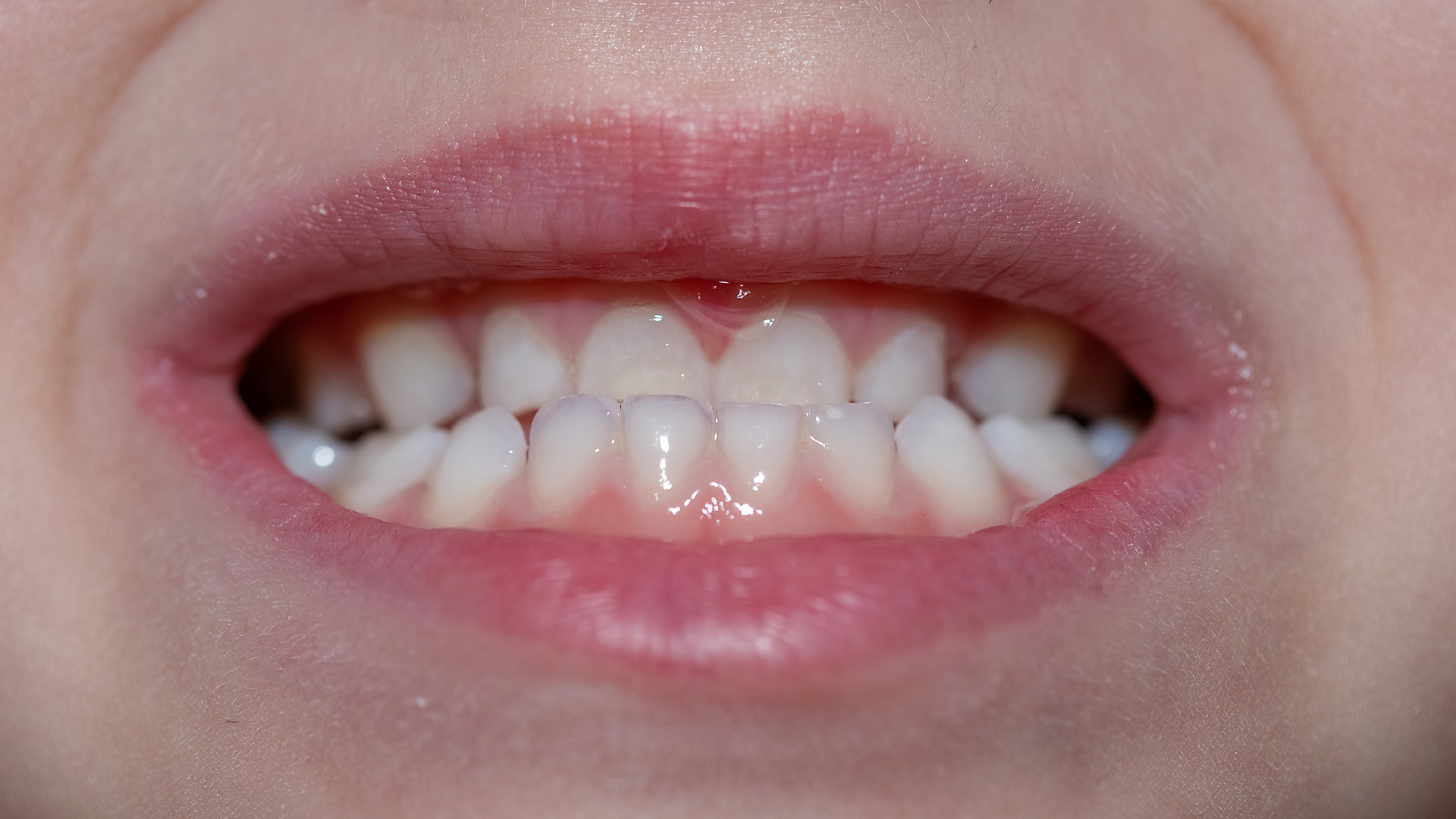
An underbite occurs when the lower teeth sit in front of the upper teeth when the jaws are closed. It can affect how you chew, speak, and smile, and may lead to jaw discomfort or wear on the teeth over time. The right underbite treatment depends on your age, the severity of the bite, and whether the cause is dental (tooth position) or skeletal (jaw position). This guide explains what an underbite is, why it happens, common symptoms, and the most effective ways orthodontists correct it, from braces and clear aligners to surgical care for severe cases. If you’re wondering how you fix an underbite, the sections below outline proven options for children, teens, and adults.
What Is an Underbite?
An underbite, clinically referred to as a Class III malocclusion, is when the lower front teeth and jaw extend beyond the upper front teeth. It can range from mild, with a slight overlap, to pronounced due to differences in jaw size or tooth alignment. Underbites may be dental (tooth-related) or skeletal (jaw-related), and determining the type helps guide the most appropriate underbite treatment plan.
Compared with other bite issues, an overbite involves the upper teeth overlapping the lower teeth; a crossbite occurs when some upper teeth sit inside the lower teeth; and an open bite means the front teeth do not touch when the back teeth are in contact. Underbites are distinct because they often involve a combination of tooth positioning and jaw growth patterns.
Underbites are less common than overbites or crowding. They can appear in children and adults, often becoming noticeable during childhood as the jaws develop. Family history can play a role, and hereditary traits in jaw shape and size may increase the likelihood of developing an underbite.
Symptoms of an Underbite
Signs and symptoms vary by severity, but commonly include:
- Lower front teeth overlapping the upper front teeth
- Difficulty biting or cutting food
- Edge-to-edge contact causing wear or chipping on front teeth
- Jaw tension, clicking, or fatigue, especially after chewing or talking
- Mouth breathing or a lower jaw that appears prominent in profile photos
Daily activities like eating and speaking can be affected. Chewing may feel inefficient or uncomfortable, and certain sounds can be harder to pronounce clearly if tongue placement is influenced by the bite. Some people experience headaches or jaw fatigue after prolonged use of the jaw muscles.
Psychological effects can also occur. Children might feel self-conscious about their facial profile or smile, and adults may avoid certain social situations due to appearance concerns. Successful underbite treatment often improves oral function and confidence.
Causes of an Underbite
Genetics is a leading influence. If parents or close relatives have an underbite or a prominent lower jaw, there is a higher chance of similar jaw growth patterns being present. Skeletal underbites often stem from a larger lower jaw, a smaller upper jaw, or both.
Environmental factors and habits can contribute to dental underbites. Extended thumb sucking, prolonged pacifier use, or tongue thrusting can gradually alter tooth positions. Premature loss of baby teeth or delayed eruption of permanent teeth may also affect alignment and the way the jaws relate to each other.
Other dental and health conditions can play a role. Crowding, missing teeth, or abnormal tooth eruption can push teeth out of ideal positions. Conditions such as temporomandibular joint (TMJ) dysfunction or mouth breathing due to allergies or enlarged tonsils may influence jaw posture and growth, potentially worsening an underbite.
Treatment Options for Underbites
Effective underbite treatment depends on whether the underbite is primarily dental or skeletal, and on the patient’s age and growth stage. Orthodontic care is often the first approach for mild to moderate cases, while combined orthodontic and surgical treatment may be needed for severe skeletal discrepancies. If you’re asking how do you fix an underbite, an orthodontic evaluation is the best place to start.
Orthodontic Treatments
Braces can gradually reposition teeth, improving how the upper and lower arches fit together. They are highly versatile and can correct many dental underbites by aligning tooth positions and coordinating the bite.
Clear aligners, such as Invisalign, may be an option for select cases. They are discreet and convenient, and can address certain bite relationships using programmed tooth movements and elastics. However, complex skeletal underbites may require additional appliances or techniques beyond aligners alone.
Growth Guidance and Appliances
In growing children, appliances can influence jaw development and bite relationships:
- Palatal expanders can widen the upper jaw, creating space and improving how the arches meet.
- Reverse-pull headgear (facemask therapy) can encourage forward growth of the upper jaw when used at the right age.
- Elastics and bite-correcting attachments, often used with braces or aligners, help fine-tune jaw and tooth positions.
Early evaluation allows orthodontists to time these interventions for maximum benefit, often reducing the need for more invasive treatments later.
Surgical Care for Severe Cases
For pronounced skeletal underbites in teens and adults after growth is complete, orthognathic (jaw) surgery may be recommended. This surgical approach repositions the jaws to create a balanced bite and improve facial symmetry. Treatment typically involves close collaboration between an oral and maxillofacial surgeon and an orthodontist. The orthodontist aligns the teeth before and after surgery, while the surgeon corrects the jaw structure. When indicated, surgery can deliver substantial improvements in function and aesthetics.
Timing and Personalization
Timing matters. Early intervention during childhood can guide jaw development and may reduce the need for surgery later. Adults typically require comprehensive orthodontics, and in more severe cases, a combined orthodontic-surgical plan. Your orthodontist will evaluate facial growth, dental alignment, and jaw function to recommend the most predictable, personalized approach to underbite treatment.
What Treatment Might Look Like
| Treatment | Best For | How It Helps | Typical Timeline |
| Braces | Dental underbites and mixed cases | Moves teeth into proper positions and coordinates bite | 12–24 months, varies by severity |
| Clear Aligners | Mild to moderate dental underbites | Gradual tooth movement; may use elastics for bite correction | 6–18 months, case dependent |
| Palatal Expander | Growing patients with narrow upper jaws | Widens upper jaw to improve arch fit and space | 3–6 months active expansion, plus stabilization |
| Reverse-Pull Headgear | Children with underdeveloped upper jaw | Encourages forward growth of upper jaw | Several months to a year, depends on growth |
| Orthognathic Surgery | Severe skeletal underbites in fully grown patients | Repositions jaws for stable, functional bite | Planning and orthodontics before/after surgery; overall 12–24+ months |
Long-Term Outlook for Underbite Patients
With appropriate treatment, most patients achieve a stable, comfortable bite and an improved facial profile. Chewing efficiency, speech clarity, and jaw comfort typically improve, and front teeth experience less wear. Cosmetic benefits, including a more balanced smile and facial harmony, often boost confidence and quality of life.
Follow-up care is essential. After active treatment, retainers help maintain tooth positions and prevent relapse. Regular dental and orthodontic checkups allow your providers to monitor bite stability, evaluate jaw function, and address changes early. If surgery is part of the plan, postoperative visits and adherence to recovery instructions are critical for long-term success.
Leaving an underbite untreated can lead to uneven tooth wear, enamel damage, gum recession, and an increased risk of TMJ issues. Chronic jaw strain, headaches, and difficulties with chewing or speaking may persist or worsen. Early evaluation and tailored underbite treatment help reduce these risks and support lasting oral health.
Frequently Asked Questions
Can an underbite be fixed without surgery?
Yes, many mild to moderate dental underbites can be corrected with braces, clear aligners, and bite-correcting elastics. Skeletal underbites may require growth guidance in children or surgery in adults, depending on severity. If you’re considering how you fix an underbite, a comprehensive exam will determine which options are most effective.
What age is best for treating an underbite?
Evaluation during childhood is ideal because growth modification is most effective before the jaws fully mature. Adults can still achieve excellent results, but treatment may involve more comprehensive orthodontics and, in severe cases, surgery.
How long does treatment take?
Timelines vary by case. Orthodontic treatment can range from several months to two years or more. Surgical cases involve orthodontics before and after surgery and typically span 12 to 24 months, depending on complexity.
Will retainers be necessary?
Yes. Retainers are a crucial part of maintaining your results after active treatment, helping keep teeth in their corrected positions.
Next Steps
If you suspect an underbite or have been told you have one, schedule a consultation with an orthodontist. A thorough assessment, including clinical exam, digital scans, and imaging, will identify whether the condition is dental or skeletal and define a clear underbite treatment plan. If you are asking how do you fix an underbite, early, personalized care leads to better function, a healthier smile, and lasting results.