



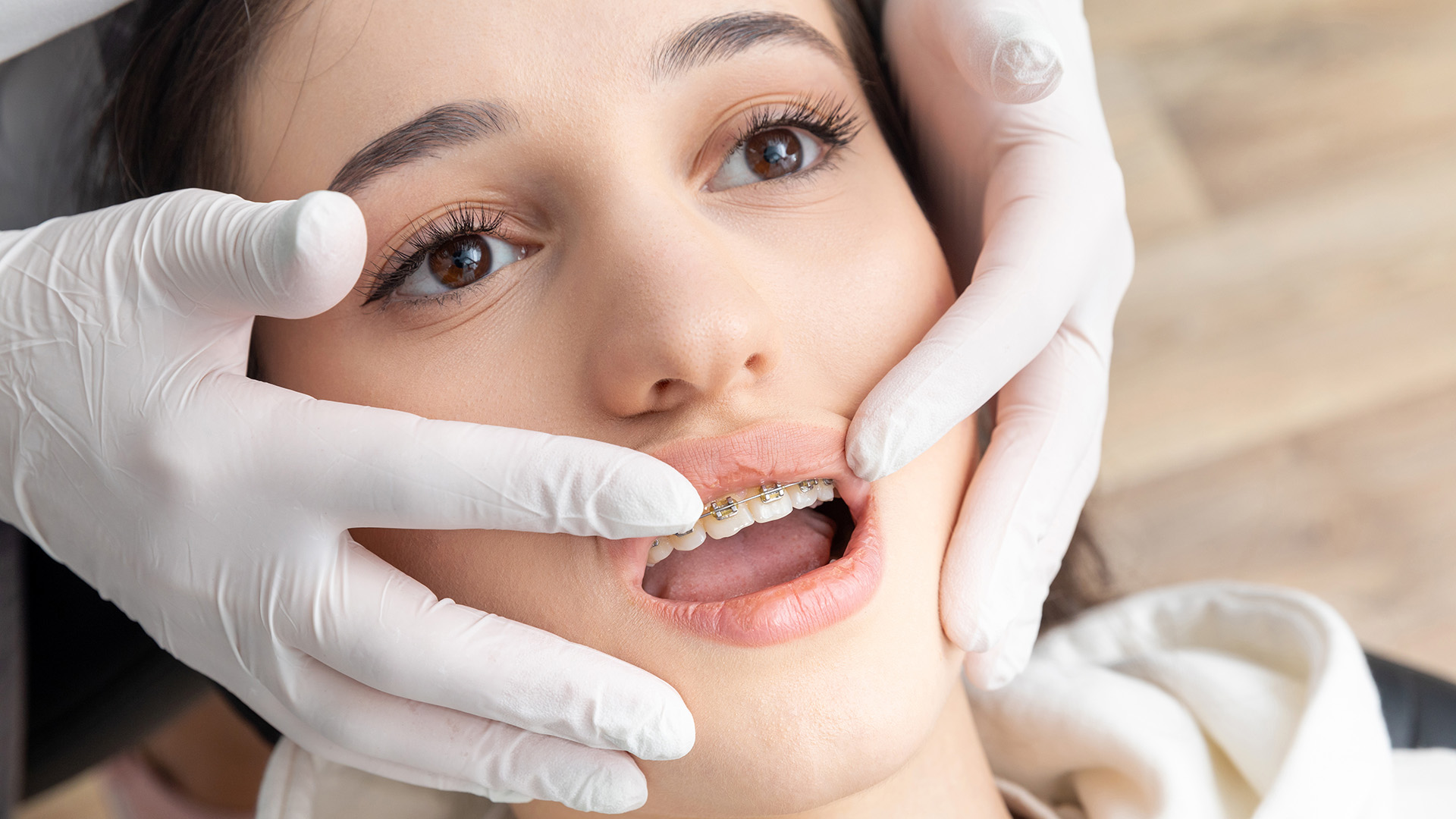
Orthodontic adjustments are the steady, planned steps that move your teeth into a healthy, confident smile. If you are starting braces or clear aligner treatment, knowing what happens at each visit can make the process feel simpler and more predictable. Below, we explain what adjustments are, why they matter, what to expect during an appointment, and how to stay comfortable afterward. Understanding how orthodontists make adjustments helps you see how each visit keeps your treatment moving forward.
What Is an Orthodontic Adjustment?
An orthodontic adjustment is a routine visit where your orthodontist reviews your progress and fine-tunes your braces, aligners, or other appliances to keep teeth moving in the right direction. The goal is to apply controlled forces to teeth and supporting structures so they align gradually and predictably. Each small change builds on the last to reach your treatment goals with precision and care.
Adjustments can involve different components, including metal or ceramic braces with brackets, archwires, ligatures (tiny ties that hold the wire), interarch elastics (rubber bands), coil springs, power chains, and retainers that sometimes need checks or minor modifications. Clear aligner patients also have adjustment-style visits to track progress, deliver new aligner sets, add or polish attachments, or place auxiliaries like elastics.
Adjustments typically begin shortly after your braces or appliance are placed. Most patients are seen every 4 to 8 weeks, depending on the treatment stage, appliance type, and how teeth are responding. Clear aligner patients may follow similar intervals, sometimes with remote monitoring. Your orthodontist will set a schedule that matches your needs and plan.
Why Adjustments Are Necessary Throughout Treatment
Teeth move best under light, continuous, and controlled force. Adjustments create and regulate that force over time. Each visit allows your orthodontist to guide the direction, amount, and timing of tooth movement while protecting the health of your gums and bone.
Common goals supported by adjustments include:
- Correcting the bite (overbite, underbite, crossbite, open bite)
- Closing spaces and gaps
- Aligning crowded or crooked teeth
- Derotating turned teeth
- Coordinating the upper and lower arches
- Refining the smile line and midline
Because these changes require precision, consistent visits keep each tooth receiving the right force at the right time. Missing or delaying appointments can slow progress, extend treatment time, or allow unwanted tooth movements to develop, which may require extra steps to correct. Staying on schedule improves predictability and keeps you on track for your estimated finish date.
What Happens During an Adjustment Appointment
Every appointment follows a clear sequence to check your progress and safely make the next set of changes:
- Evaluation and progress check: Your orthodontist reviews your bite, tooth positions, oral hygiene, and any concerns since your last visit. Photos or scans may be taken to document changes.
- Wire and bracket updates (for braces): The assistant removes elastomeric ties or opens self-ligating clips. The orthodontist may replace the archwire with a new size or material to continue movement, reshape the existing wire, or add precise bends for detailing. Brackets are checked; if a bracket needs better positioning, it may be rebonded.
- Auxiliaries and mechanics: Your orthodontist may add or adjust ligatures, coil springs to open or maintain space, power chains to close gaps, and interarch elastics to coordinate the bite. Bite turbos or buildups may be used temporarily to hold the bite open and prevent interference while teeth align.
- Elastic wear instruction: If elastics are prescribed, you will receive clear guidance on which teeth to connect, how many hours per day to wear them, and how often to change them. Consistent wear is essential for bite correction.
- Tailored pacing: Early visits often use flexible wires for gentle alignment. Later visits shift to finishing details with stiffer wires and precise bends. Your orthodontist adjusts the pace based on biology, comfort, and goals.
For clear aligners, the visit may include delivering new aligners, checking fit and tracking, smoothing or placing attachments, adding elastics, or ordering refinements if minor adjustments are needed to perfect the result.
After an Adjustment: Comfort and Care
Mild pressure or soreness for a day or two after an adjustment is common and indicates your teeth are responding to new forces. Most patients manage discomfort with over-the-counter pain relievers as directed, soft foods for 24 to 48 hours, and warm saltwater rinses to soothe irritated tissues.
Home care between visits helps keep treatment on track:
- Brush after meals with a soft-bristled brush and fluoride toothpaste.
- Clean carefully around brackets and wires; floss daily using a threader or water flosser.
- With aligners, clean trays daily and avoid hot water that can warp the plastic.
Choose gentle foods after adjustments, such as yogurt, eggs, pasta, soups, and steamed vegetables. Avoid hard, sticky, or chewy items that can damage brackets and wires, including ice, hard candies, nuts, popcorn kernels, taffy, and gum. Cut crunchy foods like apples into small bites.
If something feels off or breaks, call the clinic. Common issues include a loose bracket, a poking wire, a missing elastic tie, or an aligner that no longer fits snugly. Orthodontic wax can improve comfort at home, but do not wait if a component is broken or your bite changes suddenly. Prompt follow-up protects your progress and keeps treatment on schedule.
Braces vs. Aligners: How Adjustments Differ
| Aspect | Braces | Clear Aligners |
| Primary adjustment | Archwire changes, bends, bracket checks | New aligner sets, fit checks, refinements |
| Auxiliaries | Ligatures, coil springs, power chains, elastics | Attachments, elastics, occasional buttons |
| Visit timing | Typically every 4–8 weeks | Similar intervals; may include remote monitoring |
| Comfort | Soreness after wire changes is common | Pressure after switching to a new tray |
Frequently Asked Questions
How long does an adjustment appointment take? Most visits last 20 to 40 minutes, depending on the complexity of changes. Bracket repositioning or adding new appliances may add time.
Do adjustments hurt? You may feel pressure during the visit and mild soreness for a day or two afterward. Discomfort is usually manageable with soft foods and over-the-counter pain relief as directed.
How often will I need adjustments? Many patients are seen every 4 to 8 weeks. Your interval may be shorter or longer based on your treatment stage, appliance type, and how your teeth respond.
Are adjustments different with clear aligners? Yes. Instead of archwire changes, your orthodontist checks fit and tracking, delivers new aligners, updates attachments if needed, and may add elastics to guide bite correction. You will still have scheduled progress checks.
What if I miss an adjustment? Call to reschedule as soon as possible. Skipping visits can extend treatment and reduce predictability.
When is treatment finished? Treatment ends when your orthodontist confirms your teeth and bite meet the planned goals. You will receive retainers to maintain your result, and periodic retainer checks help keep your smile stable over time.