



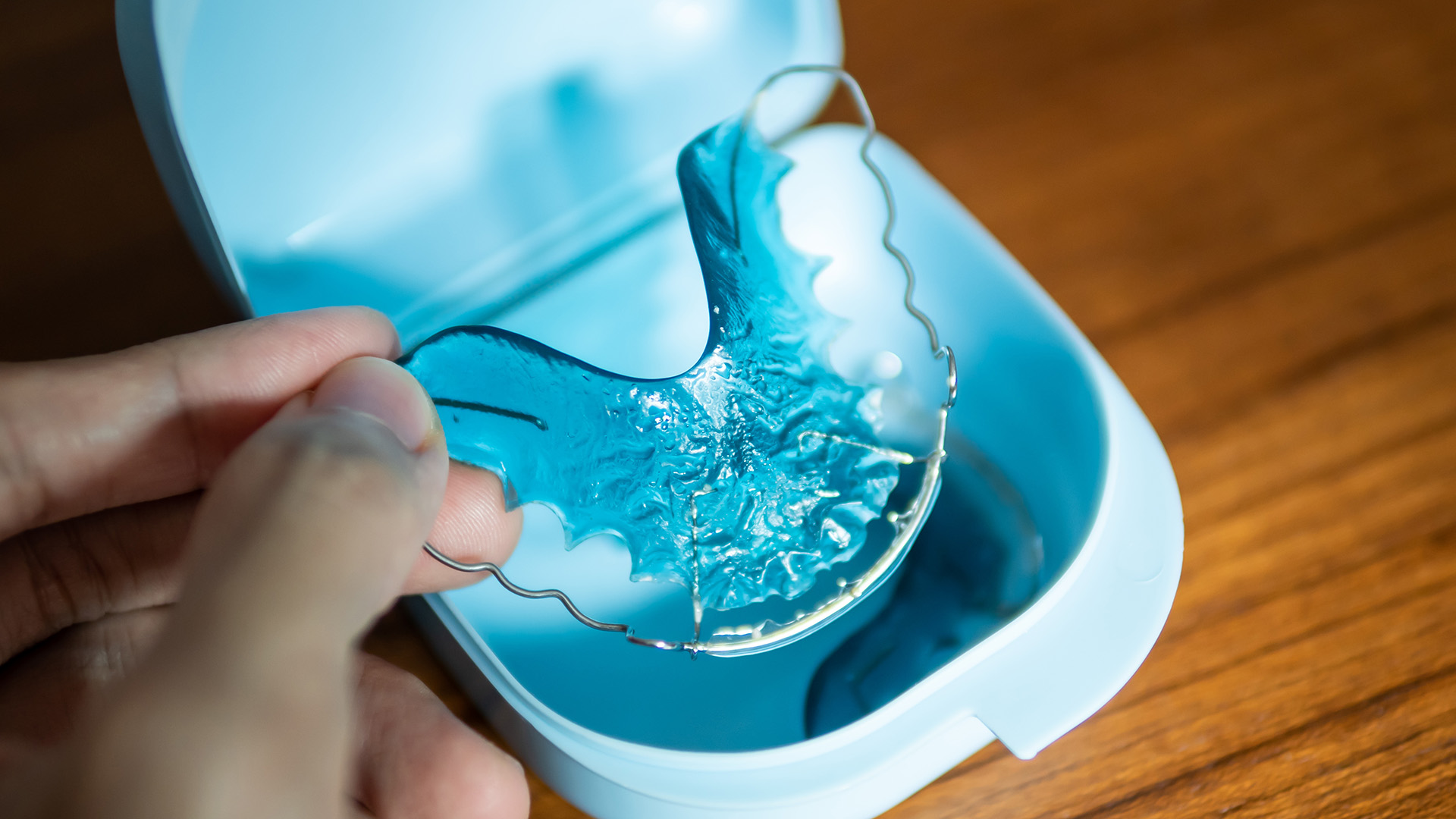
Caring for your retainer is one of the most important steps you can take to protect the smile you worked hard to achieve. In this comprehensive guide, you’ll learn how to take care of retainers with clear, practical steps you can follow every day. We’ll explain what retainers do, outline the types you may receive, and share simple routines for cleaning, wearing, and storing your appliance. You’ll also find common mistakes to avoid so your retainer stays fresh, odor-free, and effective. Whether you’ve just completed treatment or are maintaining long-term results, these tips will help you keep your retainer, and your smile, in top condition. If you’re searching for how to care for retainers after braces or general retainer care best practices, the guidance below will help.
Introduction to Retainers
Retainers are an essential phase of orthodontic care. After braces or aligners move your teeth into their ideal positions, natural forces, like chewing, speaking, and the memory of the surrounding gum and bone tissues, can slowly encourage teeth to shift back. A properly fitted retainer helps stabilize these changes while your tissues adapt, preserving your alignment and protecting your investment. Understanding how to take care of retainers early on makes the transition smoother.
Retainers hold teeth gently in place as the supporting structures reorganize. Consistent wear is especially critical in the months immediately after active treatment, and many patients benefit from transitioning to night-time wear to maintain alignment long-term. Guidance on retainer care includes what to use for cleaning, how to store them safely, and what habits to avoid so your appliance remains comfortable and effective. Knowing how to care for retainers after braces and developing reliable routines for wearing retainers will help safeguard your results.
Patients commonly ask about initial pressure, speech changes, and hygiene. Mild pressure or tightness is normal at first and usually subsides within a few days. Speech typically improves quickly as you adapt to wearing the appliance. For hygiene, non-abrasive cleaning methods, rinsing after meals, and always keeping your retainer in its case when you’re not wearing it are recommended. If your retainer cracks, feels loose, or no longer fits as it should, seek an assessment or replacement. With proper care and consistent wear, your retainer can help maintain a confident, healthy smile for years. This overview covers how to take care of retainers and practical retainer care you can apply daily.
Types of Retainers and How to Care for Them
Knowing which type of retainer you have can make it easier to follow the right care routine. The three main styles are removable (acrylic with a wire), fixed (bonded wire), and clear (custom-moulded trays). Each offers distinct advantages and has specific care requirements, and understanding how to care for retainers after braces often starts with identifying your appliance type.
Removable retainers, often made of acrylic with a front wire, are taken out for eating and cleaning. Rinse your appliance after each wear, then brush it gently with a soft toothbrush and mild, non-abrasive soap. Avoid hot water, which can warp the plastic, and skip toothpaste or harsh cleaners, which can scratch the surface and trap bacteria. When not in use, store your retainer in a ventilated case and keep it away from pets and heat sources. These steps form the foundation of effective retainer care.
Fixed retainers are thin wires bonded behind the front teeth and stay in place at all times. Because they can trap plaque in hard-to-reach areas, excellent oral hygiene is crucial. Brush along the wire daily and use floss threaders or interdental brushes to clean between teeth and under the wire. Regular check-ups allow confirmation that the bond is secure and the wire remains intact. Wearing retainers in this form means focusing on interdental cleaning as part of daily care.
Clear retainers are transparent trays that fit snugly over your teeth. Rinse them after each use, clean with a soft brush and gentle soap, and let them air-dry fully before placing them back in your mouth or in the case. Keep them away from hot water and avoid coloured or abrasive cleaners to prevent clouding, staining, or warping. Always store your clear retainers in their protective case when you’re not wearing them. These guidelines illustrate how to take care of retainers to keep them clear, comfortable, and effective.
If you’re unsure which type you have, here’s a quick guide: a wire bonded behind your front teeth indicates a fixed retainer; an acrylic plate with a metal front wire is a traditional removable retainer; a smooth, clear tray that snaps over your teeth is a clear retainer. If you need confirmation or personalized instructions, seek professional advice on retainer care and wearing retainers tailored to your needs.
Daily Cleaning Routine for Retainers
A consistent daily routine is the best way to keep your retainers clean and long-lasting. Follow these steps:
1) Wash your hands thoroughly.
2) Remove your retainer and rinse it under lukewarm water to loosen debris.
3) Using a soft-bristled toothbrush, gently brush all surfaces, paying close attention to grooves, edges, and any textured areas.
4) Rinse again and allow the retainer to air-dry in a clean, ventilated case. Avoid hot water, which can distort the material.
For routine cleaning, use a mild, fragrance-free liquid soap with a soft toothbrush to remove plaque without scratching. A dedicated retainer brush can help you clean tight areas more precisely. Approved cleaning guidance and tools are helpful to ensure safe retainer care. Avoid abrasive cleaners, whitening toothpastes, and boiling water. Do not soak your retainer in solutions that have not been recommended by a dental professional. These tips are central to how to take care of retainers and how to care for retainers after braces.
Clean your retainer daily to prevent odor, staining, and bacterial build-up. Rinse after every meal before reinserting, and perform at least one thorough brush-and-rinse session each day. Schedule periodic deep cleans as advised during your check-ups. Inspect your retainer weekly for cracks, warping, or calcium deposits. If you notice changes in fit, persistent odor, or visible damage, seek guidance. Staying consistent with cleaning keeps your retainer clear, comfortable, and effective and supports good habits when wearing retainers long-term.
How to Wear and Store Your Retainer
Consistent wear is at the heart of how to take care of retainers. After braces or aligner treatment, most patients should wear their retainer full-time for the first few months, removing it only for meals, brushing, and flossing. Once advised, transition to nightly wear. Aim for 8–10 hours each night to maintain alignment and prevent teeth from shifting. Always follow the personalized schedule provided at your appointment if you’ve received specific guidance on how to care for retainers after braces.
If you forget to wear your retainer, put it back in as soon as you remember. If it feels unusually tight, do not force it. Tightness can be a sign of minor shifting; resume wear in shorter intervals to allow your teeth to readjust, and seek guidance if discomfort persists. Helpful habits, like setting phone reminders or keeping your case near your toothbrush, can make it easier to stay on track when wearing retainers consistently.
Proper storage prevents loss and damage. Never wrap your retainer in a napkin or place it loose in a pocket or bag, these are common ways retainers get lost or thrown away. Heat can warp the material, so keep your retainer away from radiators, hot cars, dishwashers, or boiling water. Use a protective, ventilated case whenever it’s not in your mouth, and clean the case regularly. If your retainer cracks, warps, loosens, or no longer fits snugly, schedule an appointment for assessment. Clear retainers typically last 1–3 years with good care; traditional wire-and-acrylic designs often last longer but may require periodic adjustments. These storage and wear tips embody practical retainer care.
Common Mistakes to Avoid
Avoiding a few everyday pitfalls can significantly extend your retainer’s life and maintain your oral health. Do not chew sticky, hard, or chewy foods while wearing your retainer. Items like caramel, taffy, gum, hard nuts, and crunchy sweets can warp, crack, or dislodge the appliance. Sugary or acidic drinks, including sodas, energy drinks, and citrus juices, can leave residue that promotes bacterial build-up and staining. If you choose to indulge, remove your retainer first, rinse your mouth, and clean the retainer before reinserting it. This is a core part of how to take care of retainers and how to care for retainers after braces.
Improper storage is another frequent issue. Retainers wrapped in napkins or left in bags are easily misplaced or accidentally thrown away. Heat exposure can distort plastic components, so never leave your retainer in a hot car or near a heater, and avoid hot or boiling water. Always use a ventilated case and keep it clean to reduce moisture-related odor. These simple retainer care habits reduce damage and loss.
Neglecting routine care has real consequences. A dirty or misshapen retainer can cause bad breath, gum irritation, and plaque build-up. Most importantly, inconsistent wear or a poor fit can allow teeth to shift, potentially undoing your orthodontic progress and requiring additional treatment. Consistent cleaning, careful handling, proper storage, and wearing retainers as directed are the keys to protecting your smile and extending the life of your retainer. If you ever have concerns about fit, comfort, or care, seek personalized advice and support.