



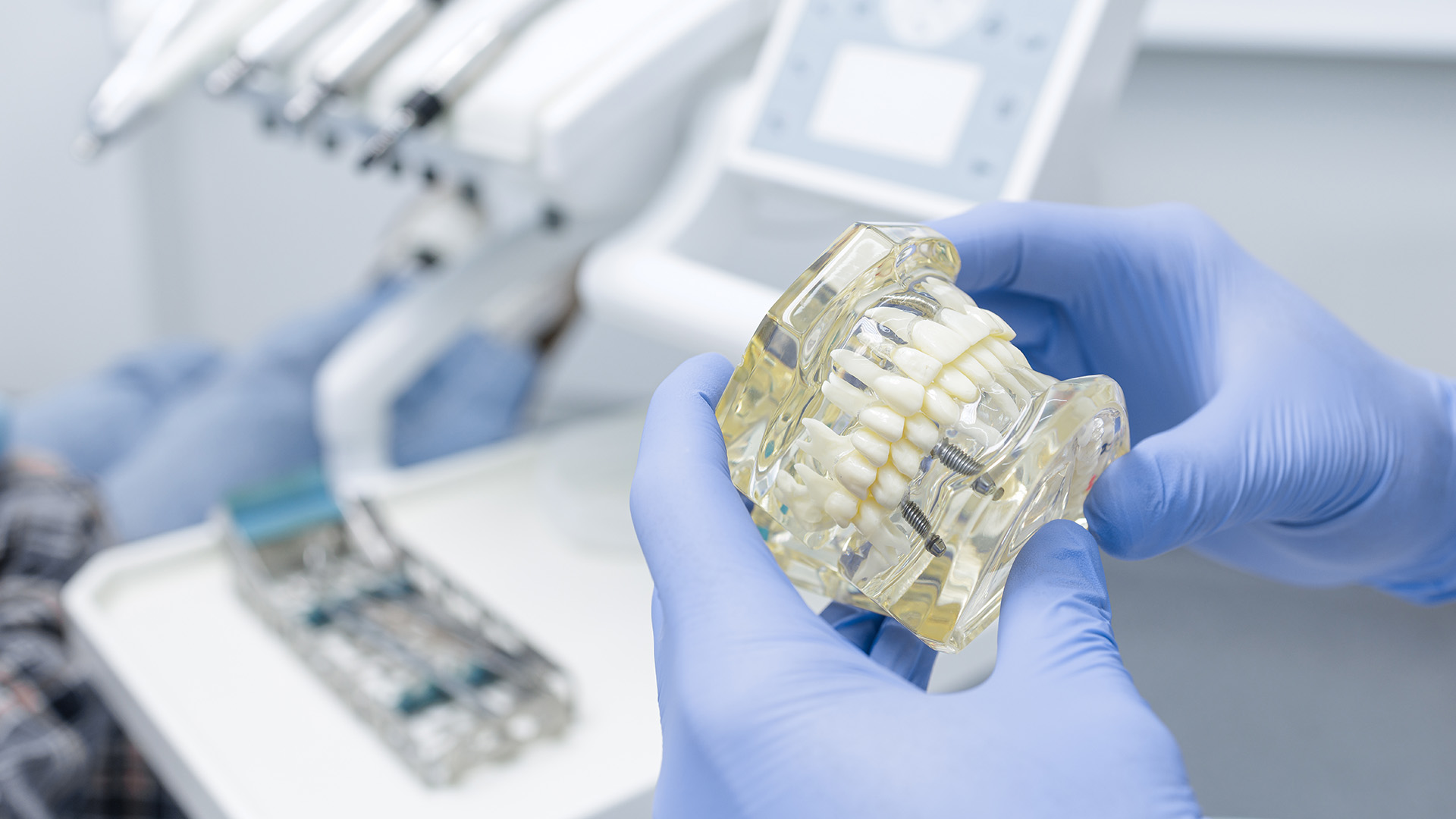
Your bite, the way your upper and lower teeth come together, affects how you chew, speak, and maintain oral health. Understanding how your teeth should sit in your mouth helps you identify concerns early and seek the right care. Knowing how your teeth should sit also clarifies the ideal teeth position for comfort and function. An orthodontic evaluation can help ensure your teeth line up correctly and your bite is stable over time.
Understanding Proper Bite Alignment
A proper bite, or normal occlusion, is the balanced relationship among your upper and lower teeth, the jaws, and the muscles and joints that support them. When alignment is correct, biting forces are spread evenly and teeth function efficiently without strain. Proper alignment isn’t just about straight teeth, it’s about how all components fit and work together so your teeth line up in harmony.
In a healthy bite, the upper teeth slightly overlap the lower teeth at the front, and the back teeth interlock like complementary puzzle pieces. Each tooth generally meets a matching counterpart in the opposite arch, guiding smooth movement when you chew and speak. Balanced contact improves comfort and helps prevent uneven wear by promoting a stable teeth position.
Jaw position is the foundation of alignment. The upper jaw (maxilla) and lower jaw (mandible) should be in a centered, stable relationship. If the lower jaw shifts forward, backward, or to one side, it can disrupt how the teeth meet and strain the temporomandibular joints (TMJ). A stable jaw posture supports a bite that feels natural and functions smoothly, reflecting how your teeth should sit in your mouth.
Key elements of proper alignment include:
- Even spacing with minimal crowding or gaps
- Slight overbite (vertical overlap) and overjet (horizontal overlap) within normal ranges
- Upper and lower front teeth midlines that are symmetrical
- A comfortable jaw position without clicking, locking, or deviation
What Does an Ideal Bite Look Like?
An ideal bite features a gentle overlap of the upper front teeth over the lower front teeth, typically around 10–20% vertically, and a modest horizontal overlap where the upper incisors sit just ahead of the lower incisors. In the back, molars and premolars meet so the pointed cusps fit into the grooves of the opposing teeth, creating efficient chewing surfaces and stable contacts. This describes how your teeth should sit when your teeth line up properly.
Visually, the front teeth follow a smooth curve that complements the shape of your lips, and the edges of the upper and lower front teeth should appear level when you smile. Side teeth should look evenly stepped without excessive tipping, rotation, or flaring. The bite should feel balanced, no single tooth should hit early or carry too much pressure compared with the others, and the overall teeth position should feel natural.
A well-balanced bite matters because it:
- Distributes chewing forces evenly, reducing wear and fractures
- Supports clear speech and efficient chewing
- Minimizes stress on the TMJ and facial muscles
- Helps maintain gum health by avoiding traumatic contacts that irritate tissues
When assessing your own bite, look for symmetry, gentle overlap, and smooth contacts. If you notice that teeth do not meet evenly, you see gaps when you close, or your bite feels uncomfortable, an orthodontic evaluation can help determine the cause and outline next steps for how your teeth should sit in your mouth and the ideal teeth position.
Consequences of Improper Bite Alignment
Misalignment can lead to a range of dental and functional problems. Common patterns include crowding, spacing, crossbite, deep overbite, underbite, and open bite. These issues may contribute to uneven tooth wear, chipped edges, gum recession, and difficulties cleaning between teeth, which raises the risk of cavities and periodontal disease when teeth don’t line up correctly.
Functional symptoms are also frequent. An imbalanced bite can make chewing less efficient, lead to jaw fatigue, and cause clicking or popping in the TMJ. Some people experience headaches, neck tension, or tooth sensitivity when certain teeth absorb excessive force. Speech sounds, such as “s” and “t,” can be altered if the front teeth don’t align properly or the teeth position is off.
Over time, the effects can extend beyond the teeth. Chronic misalignment may influence facial balance, affecting lip support and jaw posture. The TMJ may become inflamed or painful, and enamel wear can shorten teeth, changing aesthetics and biting efficiency. Addressing bite problems early helps preserve your smile and prevent complications that are more difficult to correct later, reinforcing the importance of how your teeth should sit.
Signs you might have an improper bite include:
- Teeth that don’t meet evenly when you close
- Frequent biting of cheeks or tongue
- Jaw soreness upon waking, morning headaches, or grinding/clenching
- Noticeable crowding, spacing, or shifting of teeth over time
Steps to Achieve Optimal Teeth Alignment
Healthy alignment starts with daily habits. Brush twice per day with fluoride toothpaste and clean between teeth using floss or interdental brushes to reduce plaque that can inflame gums and affect tooth stability. If you grind or clench at night, wearing a nightguard as recommended by your dentist can protect teeth from excessive wear while you address the underlying bite concerns and how your teeth should sit in your mouth.
Routine dental check-ups are essential. Professional cleanings support gum health, and regular exams allow your dentist to monitor changes in your bite, enamel wear, and jaw function. Early detection typically makes treatment simpler and more predictable. If alignment issues are identified, a comprehensive bite evaluation can clarify whether your teeth line up as they should and guide improvements in teeth position.
Orthodontic treatment can correct misalignment and improve bite function. Options include full braces for comprehensive correction, limited braces to address specific areas, clear aligner therapy for discreet tooth movement, and adjunctive appliances to guide jaw position. For complex skeletal discrepancies, orthognathic surgery may be coordinated to correct jaw imbalances. Treatment is tailored to your needs, emphasizing comfort, aesthetics, and long-term stability.
Your path to a healthier bite typically includes:
- Consultation with digital scans and bite analysis
- A customized treatment plan outlining goals and milestones
- Periodic adjustments or aligner progress checks to ensure accurate movement
- Retention with a retainer to maintain results once active treatment is complete
Retention is vital, teeth can naturally shift over time. Guidance on retainer wear, maintenance, and long-term follow-up helps protect your investment in a balanced, comfortable bite and maintains how your teeth should sit and the desired teeth position.
When to Seek an Orthodontic Evaluation
If you experience pain, notice uneven tooth contacts, or see changes in how your teeth fit together, it’s wise to schedule an assessment. Children and teens benefit from early evaluation to guide jaw growth and tooth eruption, while adults can improve function and aesthetics at any age with modern orthodontic options.
Whether you’re curious about how your teeth should sit in your mouth or you’ve already spotted signs of misalignment, a professional consultation can help you understand your bite, ensure your teeth line up as intended, explore treatment options, and take the next step toward a healthier, more confident smile.