



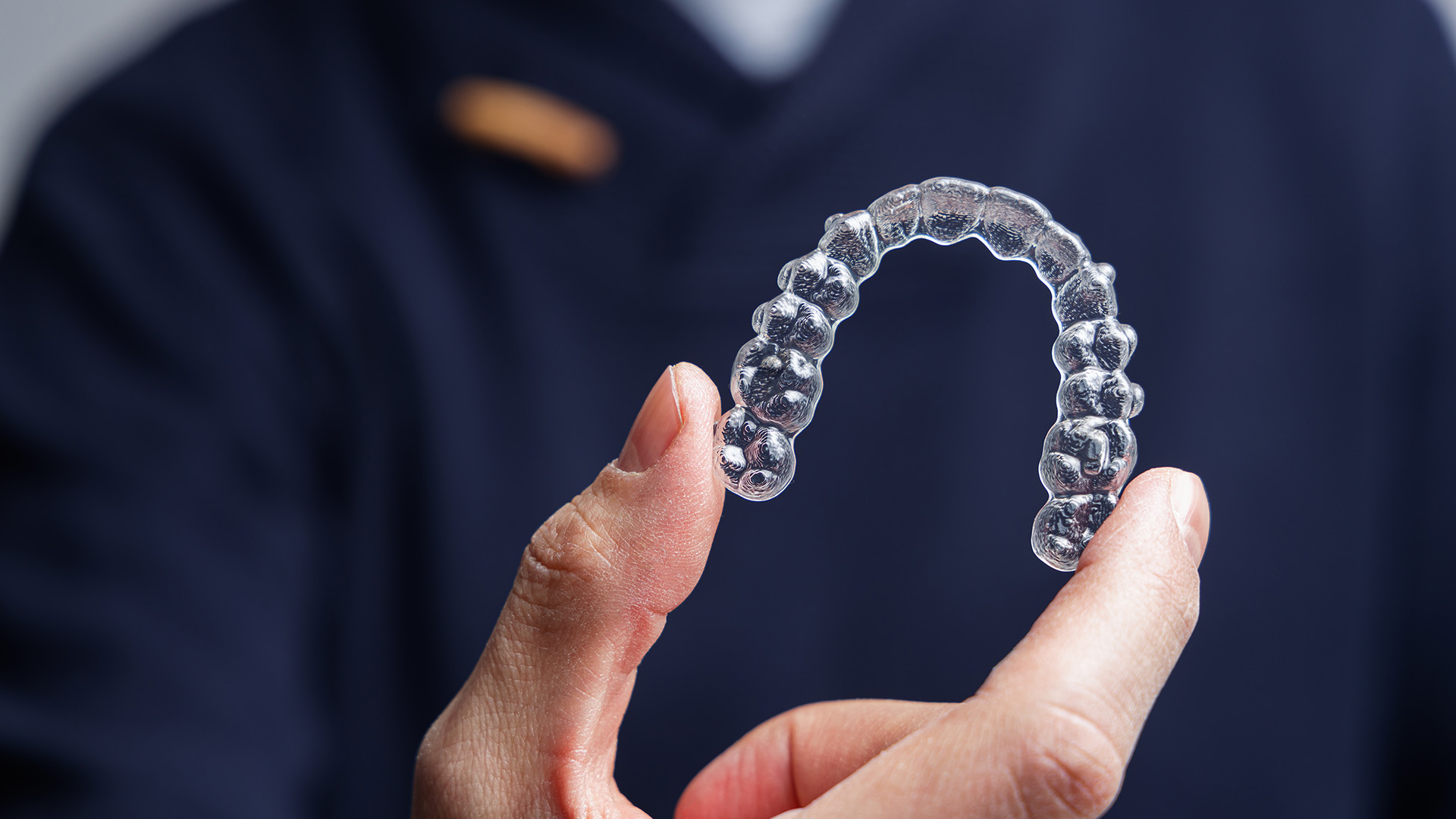
Invisible braces, also known as clear aligners, straighten teeth using a series of discreet, removable trays instead of brackets and wires. This guide covers how aligners work, who they suit best, their benefits and limitations, and what to expect from start to finish so you can decide whether they are the right choice for your smile. If you are searching for what are invisible braces, this guide explains the essentials in plain language.
What Are Invisible Braces?
Invisible braces are custom-made, transparent plastic trays that fit closely over your teeth and move them gradually into better alignment. Unlike traditional braces, aligners are removable and barely noticeable in everyday conversation and photos.
They are crafted from medical-grade, BPA-free thermoplastic engineered for clarity, strength, and flexibility. Each set is digitally designed and precision cut to match a specific stage of movement, creating a comfortable, secure fit throughout your treatment.
Orthodontists use aligners to treat crowding, spacing, and many mild to moderate bite concerns, including overbite, underbite, and crossbite. They are also effective for fine-tuning alignment after previous orthodontic treatment or correcting teeth that have shifted over time. For anyone wondering what are invisible braces in practical terms, think of a sequence of clear trays that steadily guide your teeth into position.
How Invisible Braces Work
Your journey starts with a consultation. The orthodontist evaluates your bite, discusses your goals, and captures digital scans or impressions. Using this 3D information, a custom plan maps each tooth’s movement from the first tray to the last. A series of aligners is then fabricated, with each set programmed to move your teeth in small, controlled steps.
You typically wear each aligner set for one to two weeks, 20 to 22 hours per day, removing them only to eat, drink anything other than water, brush, and floss. Most treatments last 6 to 18 months, though simpler or more complex cases may be shorter or longer. Checkups every 6 to 10 weeks allow your orthodontist to monitor progress, make adjustments, and provide your next sets.
Aligners move teeth by applying gentle forces in a carefully sequenced manner. Small tooth-colored attachments may be bonded to select teeth to improve grip and enable certain movements. In some cases, elastics help guide the bite. The combination of digital planning, staged aligner changes, and auxiliaries like attachments supports efficient, predictable results.
Benefits and Limitations
Clear aligners offer a blend of aesthetics, comfort, and convenience. They blend into your smile, making them a popular option for adults and image-conscious teens. Because aligners are removable, you can brush and floss normally, which supports gum health and lowers the risk of staining around brackets. Many patients find aligners more comfortable than braces since there are no wires or brackets to irritate soft tissues. Digital planning lets your orthodontist visualize and sequence tooth movements before treatment begins, improving predictability.
There are limitations. Complex bite issues or large tooth movements may be treated more effectively with traditional braces or a combination of braces and aligners. Compliance matters: wearing aligners as prescribed is essential. Inconsistent wear can slow progress or affect outcomes. Some patients will need attachments on the teeth, and refinements, additional sets of aligners, may be required to fine-tune the final result.
Aligners typically fit smoothly into daily life. You remove them for meals and snacks, so you can enjoy your usual foods without worrying about broken brackets. Speech feels normal after a brief adjustment. Cleaning is simple: rinse and brush your aligners daily and maintain regular oral hygiene. For sports or special events, aligners can be taken out temporarily and then placed back in promptly to stay on track.
- Discreet appearance for professional and social settings
- Removable trays simplify eating and oral hygiene
- Fewer emergencies from broken wires or brackets
- Digital planning for precise, staged movement
- Not ideal for some complex bite corrections
- Requires 20–22 hours of daily wear for best results
- Attachments and refinements may be part of treatment
Who Is a Good Candidate?
Good candidates include teens and adults with mild to moderate crowding or spacing who maintain good oral health and are committed to wearing aligners consistently. Patients looking for a low-visibility option without dietary restrictions often prefer aligners.
Cases that may need alternative or combined approaches include severe bite discrepancies, significant tooth rotations, impacted teeth, or conditions requiring jaw surgery or advanced biomechanics. In those situations, traditional braces, a hybrid plan, or interdisciplinary care may be recommended for the best functional and aesthetic result.
Candidacy is confirmed after a comprehensive evaluation that may include a clinical exam, digital X-rays, 3D scans, periodontal assessment, and a discussion of your goals. Your orthodontist will review options, estimated timelines, and expected outcomes so you can make an informed decision.
Cost, Insurance, and What to Expect
Costs vary based on case complexity, number of aligners, treatment length, and whether additional appliances or refinements are needed. Retainers are essential to maintain your new smile and are commonly included in the overall plan. Many practices offer flexible financing and monthly payments to make treatment more affordable.
Orthodontic insurance frequently provides partial coverage for clear aligners similar to traditional braces, up to a lifetime orthodontic maximum. A practice team can review your benefits, submit required documentation, and help you maximize coverage. Clear estimates and payment options provide transparency so you know what to expect.
| Factor | How It Affects Cost |
| Case complexity | More complex movements require more aligners and visits |
| Treatment length | Longer timelines can increase overall fees |
| Refinements | Additional aligners may be needed to perfect results |
| Insurance benefits | May offset a portion of costs up to plan maximums |
| Retainers | Typically included or added to preserve results |
At your first visit, expect a thorough exam along with digital scans or impressions, photos, and X-rays as needed. The clinician will discuss your goals, show a digital preview of your proposed tooth movement, and outline the timeline, fees, and next steps. When your aligners arrive, you will receive your first sets, any necessary attachments, and instructions for wear and care. Follow-up visits track your progress. After your final aligner, you will transition to retainers to keep your smile stable long term.
Care and Tips for Success
- Wear aligners 20 to 22 hours per day and change to the next set as directed.
- Remove aligners to eat; drink only water while wearing them.
- Brush and floss after meals before placing aligners back in.
- Clean aligners daily with a soft brush and cool water; avoid hot water.
- Store aligners in their case to prevent loss or damage.
- Attend scheduled checkups to stay on track and address refinements promptly.
Is Invisalign the Only Option?
Invisalign is a well-known brand of clear aligners, but it is not the only option. An orthodontist will recommend the system that best matches your case, goals, and budget. Regardless of brand, success relies on precise planning, expert oversight, and consistent wear.
Ready to Explore Invisible Braces?
Invisible braces can deliver a confident, healthy smile with minimal disruption to your daily routine. If you are considering clear aligners and still asking yourself what are invisible braces, schedule a consultation to review your options, costs, and expected results. With a personalized plan and expert guidance, you can move toward the smile you want clearly and comfortably.