



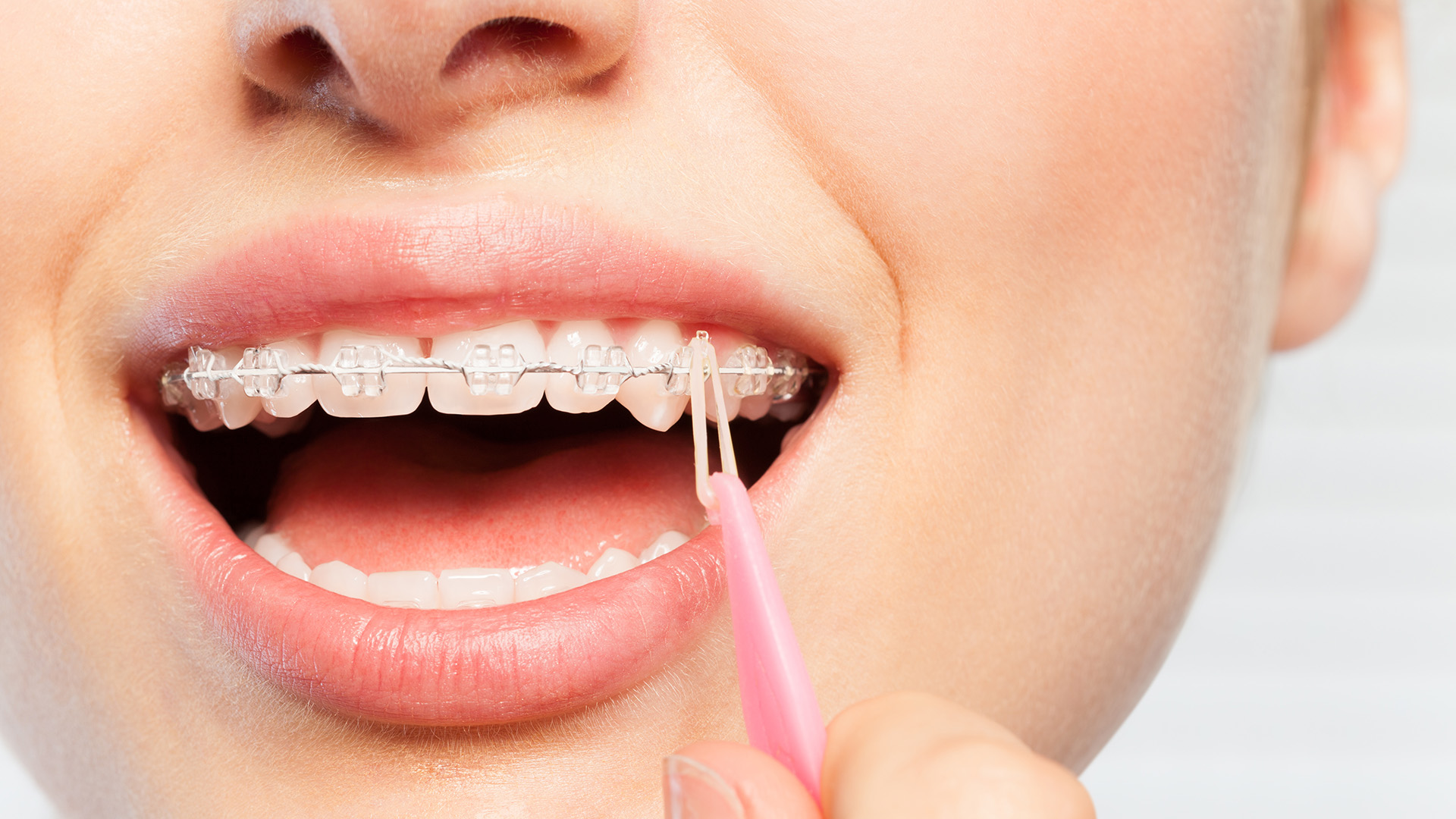
Rubber bands, also called elastics, are small stretchy loops that attach to braces or clear aligners to help align the teeth and jaws. If you’re asking, what are rubber bands for in braces, the short answer is that they add directional force to improve how the upper and lower teeth fit together. Brackets and wires move individual teeth; elastics add the extra guidance needed for the bite. When worn as instructed, they can shorten treatment time and enhance bite function.
How Elastics Improve Your Bite
Elastics apply consistent, gentle pressure that guides the jaws and teeth into a healthier relationship. Unlike wires that largely straighten within a single arch, elastics connect the upper and lower teeth to fine-tune how the bite comes together. For anyone wondering what are rubber bands for in braces beyond straightening teeth, this cross-arch connection is the key to improving the bite.
Because they deliver force in specific directions, elastics accomplish movements brackets and wires alone cannot. By targeting the bite, they can improve chewing efficiency, reduce uneven tooth wear, and support long-term stability after treatment.
They are commonly used to address:
- Overbites: upper teeth positioned too far forward
- Underbites: lower teeth or jaw positioned forward
- Crossbites: teeth crossing over in the wrong direction
- Open bites: front teeth not touching when back teeth are together
Elastics may also help correct midline discrepancies and close small gaps when appropriate.
Types of Elastics and When They’re Used
Orthodontic elastics vary in size, strength, and configuration to produce different forces:
- Class II elastics: attach from the upper front/canine area to lower molars to address overbites by encouraging the lower teeth forward relative to the upper.
- Class III elastics: attach from the lower front/canine area to upper molars to address underbites by encouraging the upper teeth forward or the lower teeth back.
- Vertical elastics: run up and down between upper and lower teeth to help them meet properly and close an open bite.
- Diagonal or cross elastics: stretch across the bite to correct crossbites or fine-tune the midline by shifting teeth sideways.
Other stretch components, like power chains and ligature ties, usually connect tooth-to-tooth within the same arch to close spaces or secure wires, rather than linking the upper and lower arches.
Your orthodontist will prescribe the exact type, size, and strength based on your diagnosis and treatment phase. As your bite improves, the configuration may change to refine the final fit. Always follow the prescribed pattern, as small differences in placement or force can alter results.
Wearing Rubber Bands: Best Practices
Most patients should wear elastics 20 to 22 hours per day, removing them only for meals, brushing, and flossing unless told otherwise. Consistency matters more than force; skipping wear or taking frequent breaks slows progress and can extend treatment time.
- Follow the placement diagram or photos from your orthodontist.
- Replace elastics at least once or twice daily to maintain steady force.
- Carry spare packs to replace a broken band immediately.
- Place both sides at the same time to keep forces balanced.
- If using aligners with elastic hooks, fully seat the aligners before attaching bands.
Contact your orthodontic office if elastics snap often, feel too loose, or if soreness persists beyond a few days of consistent wear. Reach out if a hook breaks, your bite feels off after a week or two, or you’re unsure about the configuration. Do not change the pattern or strength on your own; a quick check allows your orthodontist to fine-tune your plan.