



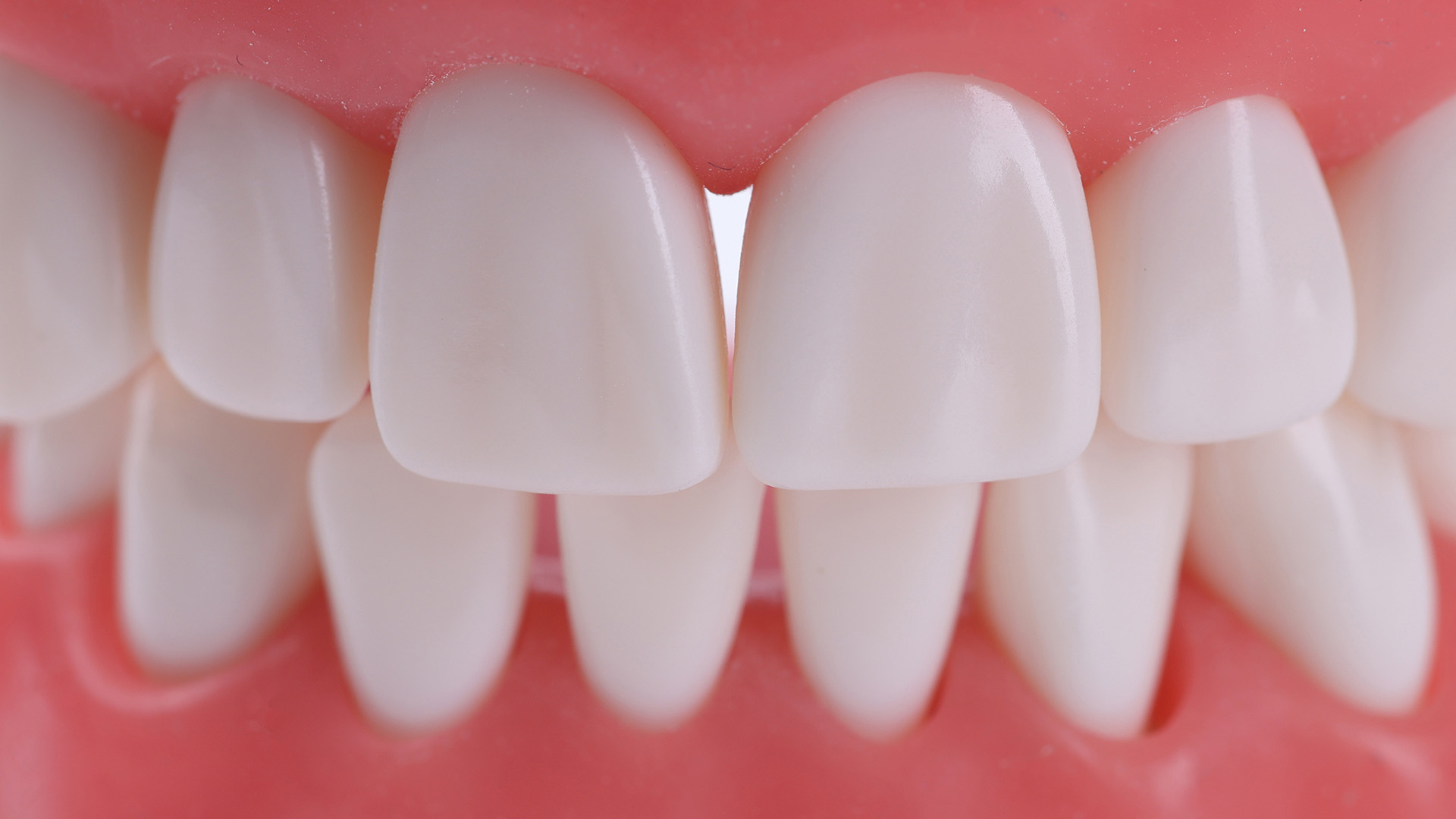
A perfect bite, or ideal occlusion, is about far more than appearance. When teeth, jaws, and chewing muscles work in harmony, eating feels natural, speech is clear, and the jaw joints function comfortably. Proper alignment distributes forces evenly across your teeth, protecting enamel and gums while helping you avoid jaw strain. If you have wondered what a perfect bite alignment looks like, the answer is a blend of stable function and balanced aesthetics that supports long-term oral health. Below, you’ll learn what an ideal bite looks like, how to spot problems, and the steps to achieve and maintain healthy alignment.
Understanding Perfect Bite Alignment
In an ideal bite, the upper and lower teeth meet in a balanced relationship when you close. The upper front teeth overlap the lower front teeth slightly, and the back teeth interlock like gears, guiding the jaw into a stable position. With this balance, biting and chewing forces spread evenly, reducing wear on teeth and stress on the temporomandibular joints (TMJs). If you are asking yourself what a perfect bite alignment looks like, think of a proper bite that allows your jaw to close without strain and your teeth to contact evenly.
Good alignment supports oral health by protecting enamel from chipping and abnormal wear, lowering the risk of gum recession, and reducing jaw pain. Straight, well-spaced teeth are also easier to brush and floss, which helps prevent cavities and gum disease. A proper bite contributes to easier hygiene and more predictable dental care over time.
Your bite can influence overall well-being too. A stable bite can reduce headaches, muscle fatigue, and nighttime clenching or grinding. Efficient chewing supports digestion, and comfortable jaw function may improve sleep quality if bite issues have been contributing to mouth breathing or snoring.
Signs of a Perfect Bite
Several features indicate a healthy, well-aligned, proper bite:
- Upper front teeth overlap the lower front teeth by roughly 10–20% vertically.
- The edges of the upper front teeth follow the curve of the lower lip when you smile.
- The upper dental midline aligns with the facial midline and matches the lower dental midline.
- Back teeth contact evenly on both sides at the same time when you bite down.
- The cusps of upper molars fit into the grooves of lower molars, guiding the jaw to a comfortable, repeatable position.
- No significant gaps, crowding, or rotated teeth, and no teeth collide prematurely when closing.
Functionally, you should be able to close without shifting your jaw forward or to the side. Chewing feels smooth and efficient. There should be no clicking or popping in the jaw joints, no excessive wear on the front teeth, and no gum irritation from heavy contacts. Speech sounds, especially S, F, and V, should be clear and effortless. These features together answer the question, what does a perfect bite alignment look like, by showing the hallmarks of a proper bite in both form and function.
Common Types of Malocclusion
Malocclusion refers to any misalignment of the teeth or jaws. Common bite problems include:
- Overbite: Excessive vertical overlap of the upper and lower front teeth.
- Deep bite: Lower front teeth are hidden too far behind the upper front teeth.
- Open bite: Front teeth do not touch when back teeth are together.
- Underbite: Lower front teeth sit in front of the upper front teeth, often related to a forward-positioned lower jaw.
- Crossbite: Some upper teeth bite inside the lower teeth, in the front or back.
- Crowding and spacing: Teeth are too close together or too far apart, disrupting ideal contacts.
These issues can impact dental health in several ways. Crowding makes plaque removal harder, increasing the risk of cavities and gum disease. Crossbites and deep bites can cause uneven wear, chipped enamel, and gum recession. Open bites make it difficult to bite into foods and may overwork the back teeth. Jaw discrepancies can place excess stress on the TMJs and surrounding muscles, contributing to pain and dysfunction.
Common symptoms include jaw soreness, tension headaches, tooth sensitivity, rapid or uneven tooth wear, difficulty chewing certain foods, changes in speech, mouth breathing, and clicking or popping in the jaw. Some people notice frequent cheek or tongue biting or an asymmetrical-looking smile.
How to Achieve a Perfect Bite
Orthodontic treatment is the most effective way to improve bite alignment and move toward a proper bite. Your orthodontist will design a plan tailored to your goals and dental anatomy. Options may include:
- Traditional braces: Brackets and wires move teeth into ideal positions and fine-tune how the upper and lower arches fit together.
- Clear aligners (e.g., Invisalign): A series of removable trays can correct crowding, spacing, and many bite issues discreetly.
- Elastics, bite turbos, and other appliances: These tools help coordinate the arches and adjust jaw relationships for better function.
- Orthognathic (jaw) surgery: For severe skeletal discrepancies, surgery combined with orthodontics may be the most stable, functional solution.
Early evaluation makes a difference. The American Association of Orthodontists recommends an initial screening by age 7. In growing children, interceptive treatment can guide jaw development, create space for incoming teeth, and reduce the need for extractions or more extensive treatment later. Palatal expanders, space maintainers, and limited braces can address problems early and simplify future care.
Lifestyle and home care also support a healthy, proper bite. Consistent oral hygiene keeps gums healthy and teeth stable. Work on breaking habits like thumb sucking, prolonged pacifier use, nail biting, and pen chewing, which can shift teeth over time. If you clench or grind, ask about a night guard. Keep up with dental cleanings and exams, choose a tooth-friendly diet, and follow your orthodontist’s instructions on elastic wear, retainer use, and appliance care.
Consequences of Poor Bite Alignment
When misalignment goes untreated, it can lead to several complications. Excessive tooth wear can expose dentin and cause sensitivity or fractures. Uneven forces may trigger gum recession and bone loss, increasing the risk of periodontal disease. Chronic clenching or an unstable bite can contribute to TMJ discomfort, facial pain, and tension headaches.
Bite problems can also interfere with daily function. An open bite or pronounced overjet may result in lisps or difficulty pronouncing certain sounds. Underbites and crossbites can make tearing and grinding food less efficient, which may affect nutrition if you start avoiding certain foods.
Over time, misalignment can lead to cracked or failing restorations, shifting teeth, and the need for more extensive treatments like crowns, implants, or jaw surgery. Addressing alignment earlier often results in shorter treatment times, better stability, and greater comfort.
Maintaining a Healthy Bite
Routine check-ups are essential for monitoring bite changes and catching concerns early. Your dentist or orthodontist will assess how your teeth meet, look for wear patterns, evaluate gum health, and recommend treatment if needed. Periodic orthodontic assessments benefit both children and adults, especially if you notice teeth shifting or jaw discomfort.
Strong daily habits help maintain stability:
- Brush twice daily with fluoride toothpaste and clean between teeth with floss or interdental tools. A water flosser can be helpful if you wear braces.
- Schedule professional cleanings to remove plaque and tartar that irritate gums and destabilize teeth.
- Use a custom night guard if you grind or clench during sleep.
To protect your results after orthodontic treatment, wear retainers exactly as prescribed. Limit hard or sticky foods that can damage appliances, and avoid habits that place pressure on teeth. Encourage children to transition away from thumb sucking and prolonged bottle or pacifier use. If you play sports, wear a well-fitting mouthguard to safeguard your teeth and preserve alignment. Keeping these habits helps you maintain a proper bite long term.
What an Ideal Bite Looks Like at a Glance
| Feature | Ideal Appearance/Function |
| Front teeth overlap | Upper incisors overlap lowers by about 10–20% vertically |
| Smile line | Edges of upper front teeth follow the curve of the lower lip |
| Midlines | Upper dental midline aligns with facial midline and matches lower midline |
| Back teeth contact | Even contact on both sides; upper molar cusps fit into lower molar grooves |
| Jaw movement | Closes to a stable position without shifting forward or sideways |
| Joint sounds | No clicking, popping, or pain in TMJs |
| Tooth wear | Minimal, even wear with no chipping on front edges |
| Speech | Clear S, F, and V sounds without strain |
When to See an Orthodontist
Consider an orthodontic evaluation if you notice any of the following:
- Teeth that don’t meet evenly or require you to shift your jaw to bite comfortably
- Frequent jaw soreness, headaches, or joint clicking
- Difficulty biting into foods or chewing efficiently
- Front teeth that don’t touch or excessive overlap of front teeth
- Crowding, spacing, or teeth that appear rotated or out of place
- Changes in speech or mouth breathing, especially in children
An orthodontist can determine whether your bite is functioning well and recommend a personalized plan to correct issues before they lead to bigger problems. If you are still wondering what a perfect bite alignment looks like for your unique smile, a professional assessment can clarify whether you have a proper bite and what steps can bring you closer to ideal alignment.
The Bottom Line
A perfect bite aligns teeth and jaws so they function comfortably and efficiently, supporting long-term oral health and overall well-being. If you’re unsure whether your bite is ideal, a professional evaluation can provide clarity and a clear path forward. With today’s orthodontic options and good home care, achieving and maintaining a healthy, confident smile is within reach. Understanding what a perfect bite alignment looks like can help you recognize the features of a proper bite and take steps to protect it for life.