



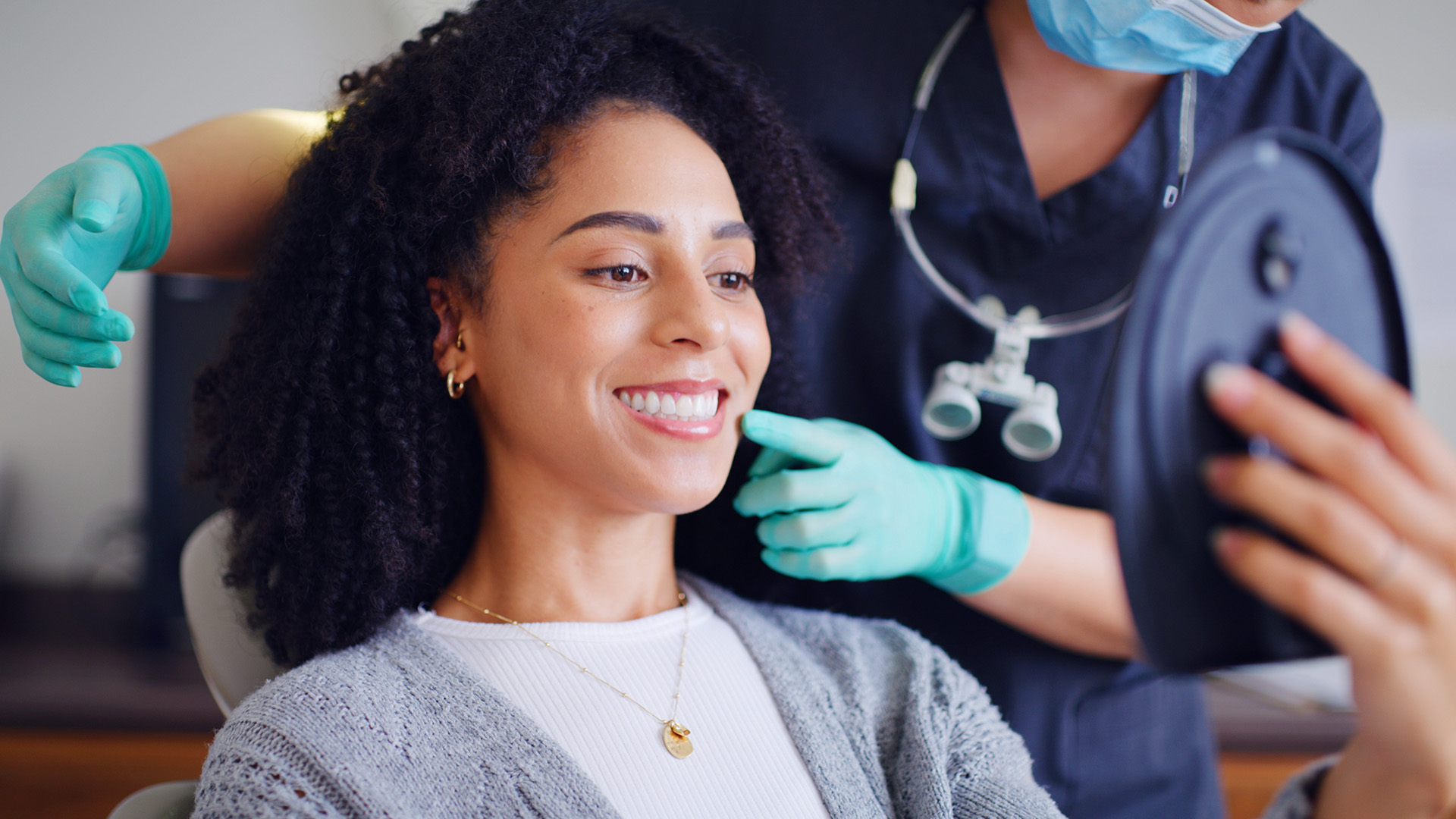
Orthodontic care focuses on diagnosing, preventing, and correcting misaligned teeth and jaws to improve how your bite functions and how your smile looks. Whether you are considering braces for your child or clear aligners as an adult, orthodontic treatment is a personalized plan designed to create a healthier bite and a confident smile. Learn what orthodontic care is, how it differs from general dentistry and how it focuses on bite alignment and tooth position for long-term oral health and aesthetics.
Overview: What Orthodontic Care Means
Orthodontics is a dental specialty centered on aligning teeth and coordinating the upper and lower jaws. While general dentistry emphasizes overall oral health, cleanings, fillings, and preventive services, orthodontics specifically addresses crowding, spacing, crossbites, overbites, underbites, and jaw alignment concerns. The goal is to improve how teeth fit together and function while enhancing facial aesthetics.
Key objectives of orthodontic treatment include aligning teeth to make cleaning easier and support healthier gums, correcting the bite to improve chewing efficiency and reduce tooth wear, supporting clearer speech, and promoting balanced facial appearance. A well-aligned bite can also lessen strain on jaw joints and muscles. A structured approach to improving function, comfort, and appearance.
Orthodontic care is provided by orthodontists, dentists who complete additional years of training in tooth movement and jaw growth. Consider seeing an orthodontist if you notice crowding or gaps, difficulty biting or chewing, jaw shifting or clicking, thumb-sucking habits in children, or if your dentist recommends an evaluation. The American Association of Orthodontists advises that children have an initial orthodontic check by age 7, but effective treatment can be achieved at any age.
Orthodontic Treatment Options and How They Work
Orthodontic treatments use gentle, controlled forces to guide teeth and jaws into better positions over time. The main categories include fixed braces, removable aligners, and retainers.
- Braces: Brackets are bonded to teeth and connected by archwires and small elastics. The archwire applies consistent pressure to gradually move teeth. Options include traditional metal braces and more discreet ceramic brackets.
- Clear aligners: Custom removable trays are worn 20–22 hours per day and changed every one to two weeks to incrementally shift teeth. They are nearly invisible and can be removed for eating and brushing.
- Retainers: After active treatment, retainers hold teeth in their new positions. They can be removable trays or a thin fixed wire bonded behind the teeth.
The process typically begins with a consultation and comprehensive records, including X-rays, photographs, and digital scans. Your orthodontist then develops a tailored plan that outlines expected tooth movements, recommended appliances, and the projected timeline. Active treatment often lasts 6 to 24 months depending on case complexity. A retention phase follows to stabilize your results. Regular check-ins throughout treatment help ensure progress and comfort.
Choosing the right option depends on age, growth stage, complexity, lifestyle, and oral health. Children and teens may benefit from growth-guided corrections and, when appropriate, early intervention. Adults often prefer discreet options like clear aligners, though braces may be recommended for more complex movements. Your orthodontist will also consider habits such as clenching, gum health, and your commitment to wear time when advising the best approach. Understanding these choices is part of grasping what orthodontic care is and how it is tailored to individual needs.
Benefits, Risks, and What to Expect During Treatment
Orthodontic care offers meaningful benefits. Properly aligned teeth are easier to clean, lowering the risk of cavities and gum disease. A corrected bite can improve chewing, reduce abnormal tooth wear, and support clearer speech. Many patients also experience enhanced confidence and improved facial balance.
As with any medical treatment, there are potential risks and side effects. Temporary discomfort or soreness is common after adjustments or when switching to a new aligner. In rare cases, minor changes in tooth roots (root resorption) can occur; careful planning and monitoring help reduce this risk. Without consistent retainer wear, teeth may shift back toward their original positions (relapse). Excellent oral hygiene is essential to prevent white spots (decalcification) or gum inflammation around appliances.
Expect regular appointments every 4 to 10 weeks depending on your appliance and stage of treatment. Adjustments may involve changing wires, placing elastics, or issuing new aligners. To manage discomfort, follow your orthodontist’s guidance on over-the-counter pain relievers, use orthodontic wax for irritation, and choose soft foods for the first day or two. With braces, avoid hard, sticky, and chewy foods that can break brackets or bend wires. Aligners should be removed for meals and brushing, then cleaned and worn as prescribed.
Maintenance, Recovery, and Long-term Results
Retention is essential to protect your new smile. Removable retainers, such as clear trays, are typically worn full-time at first and then transitioned to nightly wear as instructed. Fixed retainers are thin wires bonded behind the front teeth and require careful cleaning. Your orthodontist will tailor your wear schedule, but long-term nighttime wear is common to maintain stability.
During treatment, keep an excellent oral hygiene routine: brush at least twice daily with fluoride toothpaste, clean around braces with interdental brushes or floss threaders, and consider a water flosser if helpful. For aligners, brush and floss after meals before reinserting trays, and rinse or gently brush the aligners to keep them clear. Limiting sugary snacks and acidic drinks helps reduce the risk of decay and staining.
To preserve your results, continue regular dental checkups every six months and follow your orthodontist’s retention plan. Schedule orthodontic reviews as recommended, often a few visits during the first year of retention, to confirm stability. If a retainer feels tight, loosens, or breaks, contact your orthodontic office promptly to prevent shifting. With consistent retention and good oral habits, you can enjoy a healthy, well-aligned smile for years to come. When you understand what orthodontic care is and commit to maintenance, you support lasting function and a confident smile.