



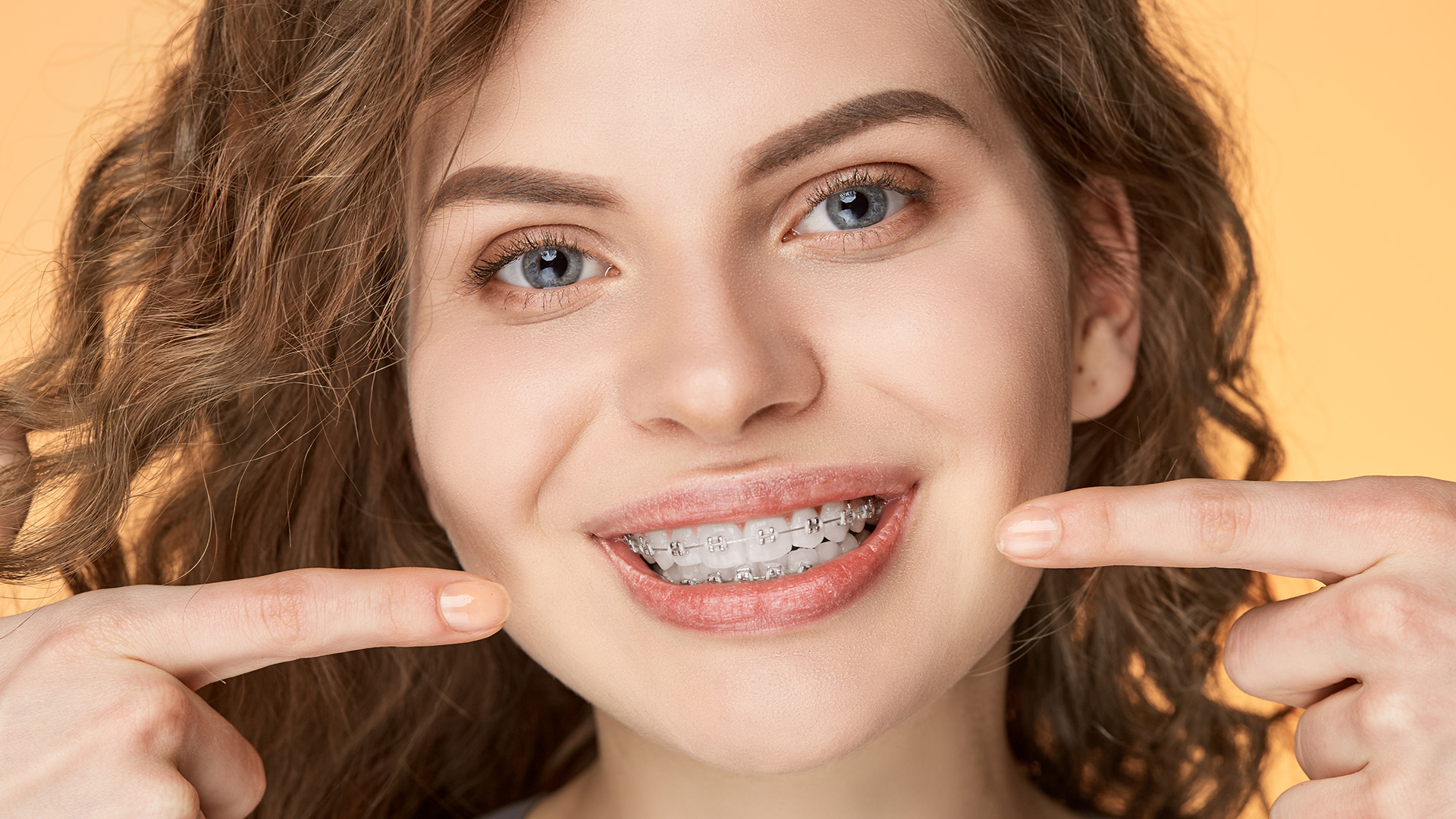
Thinking about getting braces? A straighter smile can boost oral health, confidence, and how your bite functions. Knowing what to expect makes the process easier. This guide covers how braces are placed, what the first few weeks feel like, how to adjust your diet and hygiene, and the commitment involved. With good information and support, your orthodontic experience can be comfortable and successful. If you are researching what to know about getting braces, the details below will help you prepare and feel confident about each step.
Understanding the Braces Process
Treatment starts with a comprehensive evaluation and a personalized plan, followed by the placement of brackets and wires. Your orthodontist will review your dental and medical history, examine your bite, and take digital scans, photos, and x-rays. These records help map tooth movement and shape a plan tailored to your needs.
At the initial visit, you will review treatment options, estimated timelines, and costs in detail. If you decide to proceed, a separate appointment is scheduled for placement. During that visit, teeth are cleaned, a conditioning gel is applied, and brackets are bonded one by one. An archwire is then placed through the brackets and secured with small elastics or clips.
Consultations and x-rays are vital for accuracy and safety. They reveal issues like crowding, impacted teeth, or jaw discrepancies and help determine whether metal braces, ceramic braces, or clear aligners are appropriate. Clear planning reduces surprises and improves results. For anyone seeking what to know about getting braces, understanding these planning steps makes the process more predictable and less stressful.
Common Discomforts and Adjustments
Mild to moderate pressure and soreness are common for a few days after braces are placed and after periodic adjustments. The cheeks and lips may feel rubbed or tender as they adapt to the brackets. Most people describe the feeling as pressure, not sharp pain.
Adjustment usually takes about one to two weeks, with the first three to five days being the most noticeable. Eating and speaking may feel different, and you might experience extra saliva or light tongue irritation at first. After each adjustment, a shorter period of tenderness is normal as teeth continue to move.
To ease soreness, use over-the-counter pain relievers as directed by your orthodontist, choose soft foods for a couple of days, and place orthodontic wax on brackets that rub. Warm saltwater rinses can soothe irritated tissues. A soft or silicone toothbrush and a fluoride toothpaste help keep teeth clean without adding sensitivity. Staying consistent with care makes the transition smoother.
Dietary Changes You May Need to Make
Braces are durable, but some foods can bend wires, loosen brackets, or trap plaque. Avoid hard, sticky, or crunchy items such as hard candies, ice, popcorn kernels, caramel, taffy, gummy candies, nuts, and chewy bagels. Cut raw fruits and vegetables like apples and carrots into small pieces rather than biting directly, and avoid chewing on pens or fingernails.
In the first week and after adjustments, choose soft, easy-to-chew foods. Good options include yogurt, smoothies, scrambled eggs, mashed potatoes, pasta, rice, soft-cooked vegetables, applesauce, oatmeal, tender fish, and shredded chicken. As you adapt, you can expand your choices while still steering clear of foods that damage appliances.
Excellent oral hygiene is essential throughout treatment:
- Brush after every meal with a soft-bristled or orthodontic toothbrush and fluoridated toothpaste, angling bristles above and below brackets and along the gumline.
- Floss daily using a floss threader or a water flosser to clean under the wire.
- Rinse with a fluoride mouthwash to strengthen enamel.
Consistent cleaning helps prevent white spot lesions, cavities, and gum inflammation, keeping treatment on schedule.
The Duration and Commitment of Treatment
Treatment length varies by individual needs and appliance type. Traditional metal or ceramic braces often range from 12 to 24 months for mild to moderate cases and can extend up to 30 months for more complex corrections. Clear aligners may follow similar timelines, depending on case complexity and how closely you follow wear guidelines. Early intervention for growing children can shorten later treatment but may involve two phases over several years.
Several factors influence duration, including the severity of crowding or spacing, bite issues, bone biology, age, and day-to-day cooperation. Wearing elastics as prescribed, protecting your braces from breakage, and maintaining excellent hygiene help prevent delays. Missed appointments, poor oral hygiene, and damaged appliances can extend treatment time.
Regular visits every 4 to 8 weeks are essential for adjustments, progress checks, and precise changes. After braces are removed, retainers are critical to stabilize teeth while bone and gums adapt to their new positions. Consistent follow-ups and retainer wear keep your new smile healthy and aligned for years to come. If you are compiling what to know about getting braces, remember that commitment to appointments, elastic wear, and retainers is just as important as the appliances themselves.