



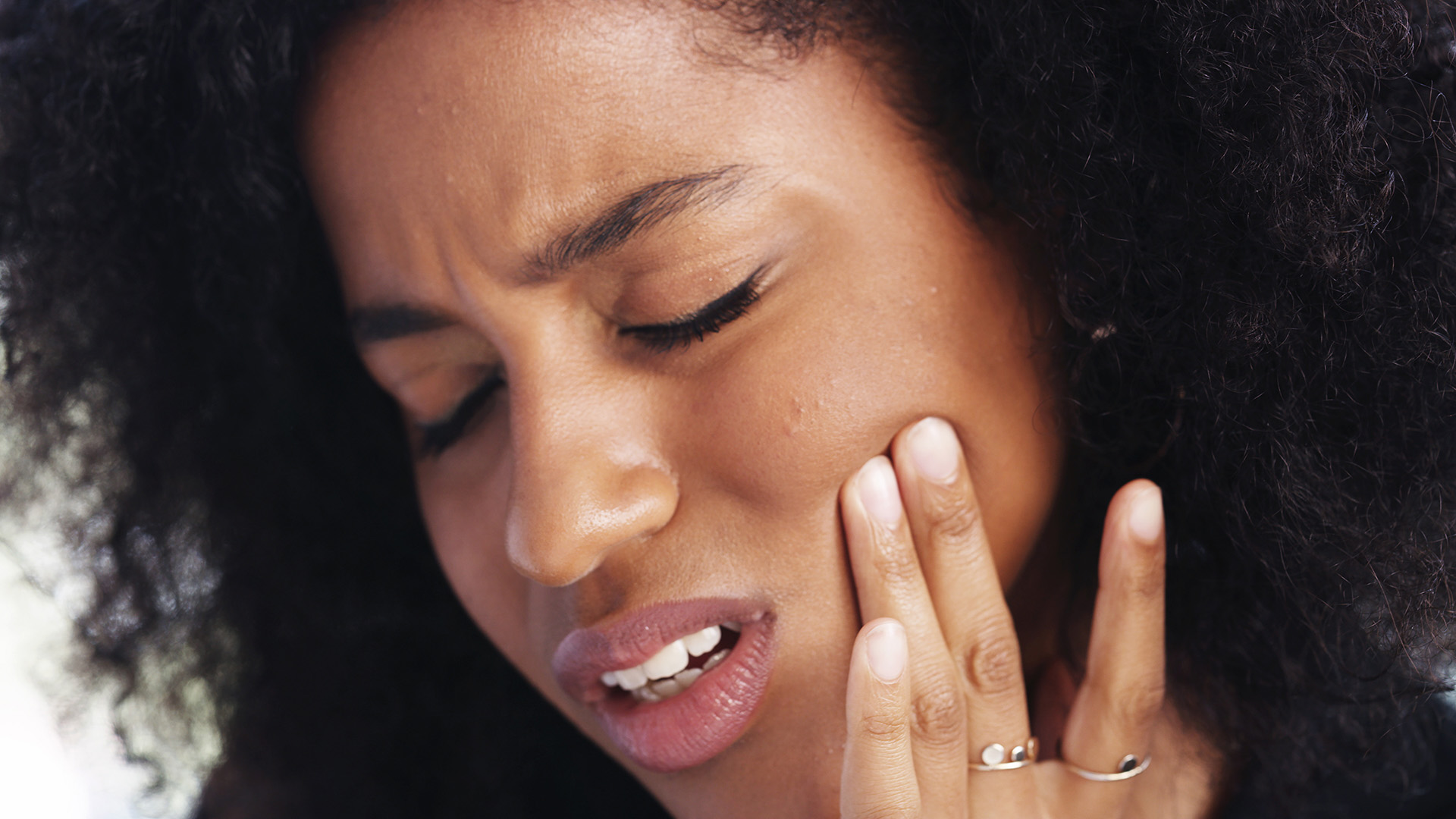
Jaw pain can make simple tasks, chewing, speaking, even smiling, feel challenging. When symptoms involve the temporomandibular joint (TMJ), an orthodontic evaluation may be part of a comprehensive solution. This page explains when TMJ pain requires an orthodontist, how your bite influences joint health, and what to expect during a visit at an orthodontic office. Understanding when TMJ pain requires an orthodontist can help you seek timely care and protect your long-term oral health.
Understanding TMJ Disorders
The TMJ connects the lower jaw (mandible) to the temporal bones of the skull and works like a sliding hinge. It enables opening, closing, and side-to-side jaw movements for eating and speaking. Muscles, ligaments, and a small joint disc coordinate to keep these movements smooth and comfortable.
TMJ disorders are a group of conditions that cause pain or dysfunction in the joint and the muscles that control it. Common signs include jaw soreness or aching, clicking or popping sounds, headaches, ear pain or pressure without infection, facial pain, and difficulty opening the mouth fully. Some people also notice tooth wear, sensitivity, or a change in how their teeth fit together.
Without care, TMJ issues can limit chewing, make prolonged speaking uncomfortable, disrupt sleep, and contribute to neck and shoulder tension. An early evaluation helps determine whether the source is muscle-related, joint-related, bite-related, or a combination.
Signs That an Orthodontic Evaluation May Be Needed
Many TMJ symptoms improve with conservative care, but certain patterns suggest that an orthodontist should be part of your care team, especially if bite alignment could be contributing. Recognizing when TMJ pain requires an orthodontist can prevent small problems from becoming chronic.
- Persistent jaw pain or discomfort: Ongoing pain that does not improve with rest, soft foods, or short-term home care may point to a bite imbalance or joint overload that warrants a professional assessment.
- Headaches or migraines linked to jaw activity: If headaches coincide with clenching, grinding, or heavy chewing, an evaluation can identify whether your bite position is straining the jaw muscles.
- Limited jaw movement or locking: Difficulty opening or closing, or episodes of catching or locking, can indicate disc displacement, joint inflammation, or misalignment. Orthodontic treatment may help redistribute forces and stabilize function.
- Recurrent ear pressure or facial pain without infection: These symptoms, especially when paired with a shifting bite, can signal joint or muscle strain related to occlusion.
How Orthodontics Can Help Relieve TMJ Pain
Your bite, how the upper and lower teeth meet, directly affects how your jaw joints and muscles perform. When teeth do not align properly, the TMJ and surrounding muscles may compensate, increasing strain. Orthodontic treatment aims to improve tooth and jaw relationships, helping balance joint loading and reduce muscle tension.
Treatment options that may be considered include:
- Braces: Provide precise control over tooth movement and bite relationships to improve how teeth fit and function.
- Clear aligners: Incrementally reposition teeth and can include bite refinements to enhance occlusion.
- Adjunctive appliances: Short-term use of bite splints or nightguards can relax muscles and protect teeth from clenching or grinding while orthodontic corrections are underway.
Patients with crowding, crossbites, overbites, or asymmetries often report less jaw pain and fewer headaches after the bite is corrected. For example, opening and balancing a deep bite can reduce muscle fatigue and front-tooth wear, while correcting a crossbite may relieve one-sided joint loading and reduce flare-ups. Outcomes vary by diagnosis, but improving bite alignment is frequently a key component of comprehensive TMJ care.
What to Expect at an Orthodontic Consultation
At your first visit, the orthodontist will review your medical and dental history, discuss your symptoms, and perform a thorough exam of your bite, jaw range of motion, and areas of muscle tenderness. Records may include digital scans or impressions, photographs, and X-rays to assess tooth position, joint structures, and facial symmetry. For complex cases, your orthodontist may coordinate with your general dentist, primary care provider, or a TMJ-focused specialist.
Treatment recommendations depend on your diagnosis. Some patients benefit from conservative strategies such as habit coaching, jaw exercises, and a short-term splint, followed by braces or aligners to correct the bite. Others may need more comprehensive orthodontics, including elastics or bite adjustments, to address underlying discrepancies. Timelines vary: limited bite refinements may take 6–12 months, while full treatment can range from 12–24 months or longer based on complexity and patient compliance.
Follow-up care centers on symptom tracking and long-term stability. Your orthodontist will monitor bite relationships, adjust appliances as needed, and coordinate ongoing management such as nightguard use, physical therapy, or stress reduction to minimize clenching. Many patients find the best relief by combining orthodontic correction with lifestyle changes like good sleep habits, posture awareness, and avoiding hard or chewy foods during flare-ups.
When to Seek Help
Consider scheduling an orthodontic evaluation if TMJ symptoms persist beyond a few weeks, interfere with eating or speaking, or recur despite home care. Early attention can prevent worsening symptoms and protect your teeth and joints from long-term strain. Knowing when TMJ pain requires an orthodontist can guide you to the right provider and streamline your path to relief.
| Symptom | What It May Indicate | Next Step |
| Ongoing jaw pain or stiffness | Muscle overuse, bite imbalance, or joint inflammation | Orthodontic assessment and conservative measures |
| Clicking/popping with pain or limited opening | Possible disc displacement or joint overload | Comprehensive evaluation; consider splint and bite correction |
| Headaches tied to clenching or chewing | Muscle strain from bite or parafunction | Habit coaching, nightguard, orthodontic alignment |
| Uneven bite or tooth wear | Malocclusion contributing to joint stress | Orthodontic treatment plan to rebalance bite |
Take the Next Step
If you are experiencing TMJ-related pain and suspect your bite may be involved, an orthodontic consultation can clarify the cause and outline options for relief. With a careful diagnosis and a personalized plan, many patients achieve improved comfort, better function, and a healthier bite. If you are unsure when TMJ pain requires an orthodontist, consider an evaluation when symptoms persist, recur, or are linked to a shifting or uneven bite, early guidance can make a meaningful difference.