



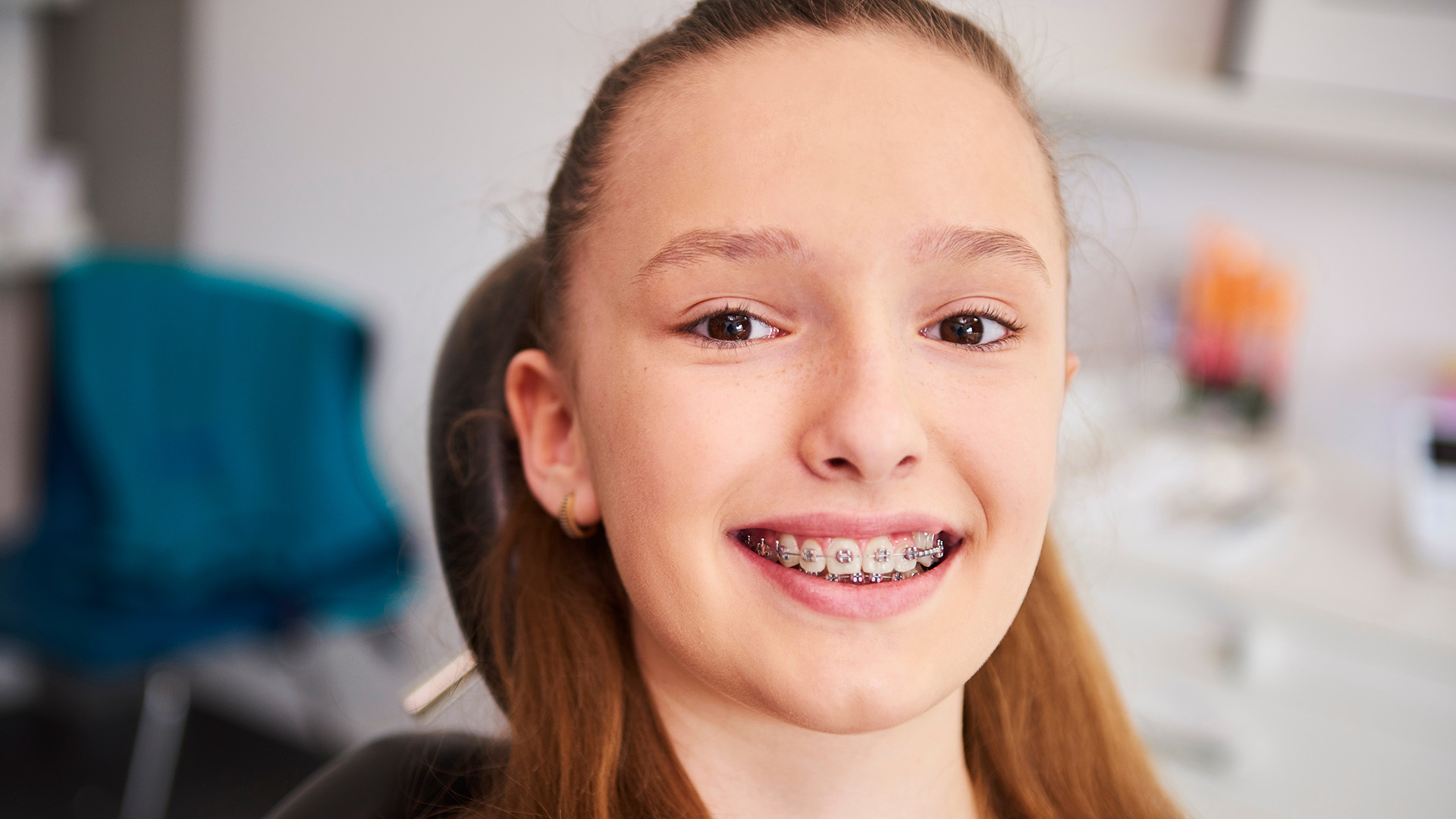
Braces off, congratulations. Here’s what to expect from your smile after braces on removal day, how your smile may look and feel, and the habits that keep your results stable. Use this guide for practical tips on eating, speaking, sensitivity, retainers, and oral hygiene so you can enjoy a confident, healthy smile right away and long term. If you’ve wondered what to expect from your smile after braces in the weeks and months ahead, the sections below walk you through each stage.
The Big Reveal: Right After Braces Come Off
During your debonding appointment, your orthodontic team removes brackets and wires, clears away bonding adhesive, and polishes your enamel. The visit typically takes 30 to 60 minutes. Your orthodontist will confirm your bite, capture final photos or scans, and fit you for a retainer the same day or within a few days.
Expect a few immediate sensations. Teeth feel unusually smooth, your cheeks and tongue will naturally explore the new surfaces, and gums may be slightly tender where cleaning was trickier during treatment. Mild pressure or a dull ache can occur as teeth settle into their new positions.
In the first 24 to 72 hours, your bite may feel a bit “off” as your jaws adapt to teeth meeting without brackets. This tends to resolve quickly. Over-the-counter pain relievers, soft foods, and warm salt-water rinses help ease temporary tenderness. These short-term changes are a normal part of the smile after braces transition.
How Your Smile May Look
Most patients see an instant transformation in alignment and spacing. Straighter teeth, a more even smile arc, and an improved bite often enhance overall facial balance. You’ll likely notice closed gaps, corrected rotations, and more even incisal edges compared with before treatment. For anyone wondering what to expect from your smile after braces, these changes are among the most rewarding.
It’s also normal to notice minor cosmetic issues after the brackets come off. Small chips, slight edge unevenness, or superficial stains that were hidden by braces can be more visible. These are commonly managed with conservative finishing touches.
Your orthodontist will determine whether small enhancements could refine the result. Options may include subtle enamel recontouring, smoothing a tiny chip, polishing superficial stains, or collaborating with your general dentist for bonding or contouring when appropriate. If you’re considering whitening, ask about timing, many providers recommend waiting one to two weeks after debonding to let any sensitivity settle before bleaching. This measured approach helps you love your smile after braces without aggravating sensitivity.
Comfort and Function: Eating, Speaking, and Sensitivity
Meals will feel different without brackets. Start with soft foods for a day or two, think yogurt, eggs, pasta, soups, and smoothies, then reintroduce chewier textures gradually. Cut raw fruits and vegetables into small pieces and chew slowly on both sides to help your bite equilibrate. Avoid very sticky candies or hard nuts for the first week to protect freshly polished enamel and new retainers.
Speech usually improves once braces are removed, but a new retainer may briefly affect certain sounds such as “s” or “sh.” Reading aloud for 10 to 15 minutes daily helps your tongue adapt quickly. If a retainer rubs or causes a sore spot, contact your orthodontist for an adjustment.
Tooth and gum sensitivity is common right after debonding, especially with temperature changes or whitening toothpastes. Use a soft-bristled brush, consider a toothpaste for sensitivity, and rinse with warm salt water if gums feel tender. Most sensitivity eases within a few days. If discomfort lasts beyond a week, reach out to your orthodontic team. Paying attention to how your teeth after braces respond to cold and heat can guide your care choices in the first few days.
Retainers: Keeping Your New Smile Stable
Teeth have a natural tendency to shift, particularly during the first year after braces. Retainers hold them in place while bone and gum tissues stabilize. Common options include:
- Clear removable retainers (vacuum-formed trays)
- Hawley retainers (acrylic plate with wire)
- Bonded fixed retainers (a thin wire glued behind front teeth)
Your orthodontist will recommend the best type based on your bite and relapse risk. Consistent retainer wear is one of the most important parts of caring for your teeth after braces to maintain alignment.
For removable retainers, plan on full-time wear initially, usually 20 to 22 hours per day for several months, then transition to nights only as directed. Clean clear retainers daily with a soft brush and lukewarm water, and use a non-abrasive cleanser or retainer tablets a few times weekly. Avoid hot water, which can warp plastic, and store retainers in a protective case when not in your mouth.
Troubleshooting tips:
- If your retainer feels tight after missed wear, return to full-time wear for a few days.
- If it won’t seat fully, don’t force it, call for an evaluation.
- For bonded retainers, use floss threaders or interdental brushes and report any loose spots promptly.
Long-term, expect periodic check-ins. While wear may be reduced over time, many people benefit from lifelong nighttime retainer use to counter natural age-related changes. Follow-up visits help monitor stability, fit, and any need for adjustment or replacement. These habits are central to what to expect from your smile after braces as the months go by.
Oral Hygiene and Follow-Up Care
With brackets gone, home care becomes easier, and consistency matters. Brush twice daily for two minutes with a soft-bristled brush and fluoride toothpaste. Floss at least once a day; if you have a fixed retainer, use floss threaders or a water flosser to clean around the wire. Schedule professional cleanings every six months, or as advised by your dentist, to maintain gum health and remove residual tartar.
To improve tooth color or surface stains, begin with a professional cleaning to distinguish staining from natural enamel variations. Most patients can start at-home whitening after sensitivity calms, typically one to two weeks post-debonding. Whitening strips or custom trays from your dentist tend to provide predictable results. If you have significant sensitivity, wait longer or consider supervised in-office whitening. Thoughtful timing helps protect teeth after braces as they acclimate.
Plan your follow-up schedule. You’ll usually have a retainer check within a few weeks, then at intervals set by your orthodontist. Call sooner if you notice your retainer is cracked or warped, it no longer fits snugly, a fixed retainer loosens, your bite feels different, or you see spacing or crowding returning. Early adjustments help prevent small shifts from becoming larger issues and keep your smile after braces on track.
Your Next Steps
| Timeframe | What to Do | Why It Matters |
| First 72 hours | Soft foods, OTC pain relief if needed, salt-water rinses, start retainer wear as instructed | Supports comfort while your bite adapts and protects new alignment for your teeth after braces |
| First 2 weeks | Gradually reintroduce chewier foods, practice speaking with retainer, address sore spots | Helps speech and bite settle; prevents irritation and retainer warping |
| Months 1–6 | Full-time retainer wear (then nights as directed), consistent brushing and flossing | Maintains alignment while bone and gums stabilize during the braces after phase |
| Ongoing | Nighttime retainer wear, biannual cleanings, periodic orthodontic checks | Protects your result against natural age-related shifts throughout the braces after years |
Bottom Line
When braces come off, expect smoother teeth, a brief adjustment period for your bite, and a retainer plan tailored to keep your smile stable. With good home care, sensible eating, and consistent retainer wear, your new smile can look and feel great for years to come. If anything feels off, retainer fit, bite comfort, or tooth sensitivity, reach out to your orthodontic team promptly for guidance. Understanding what to expect from your smile after braces helps you navigate the braces after phase confidently and make the most of your smile after braces for the long term.