



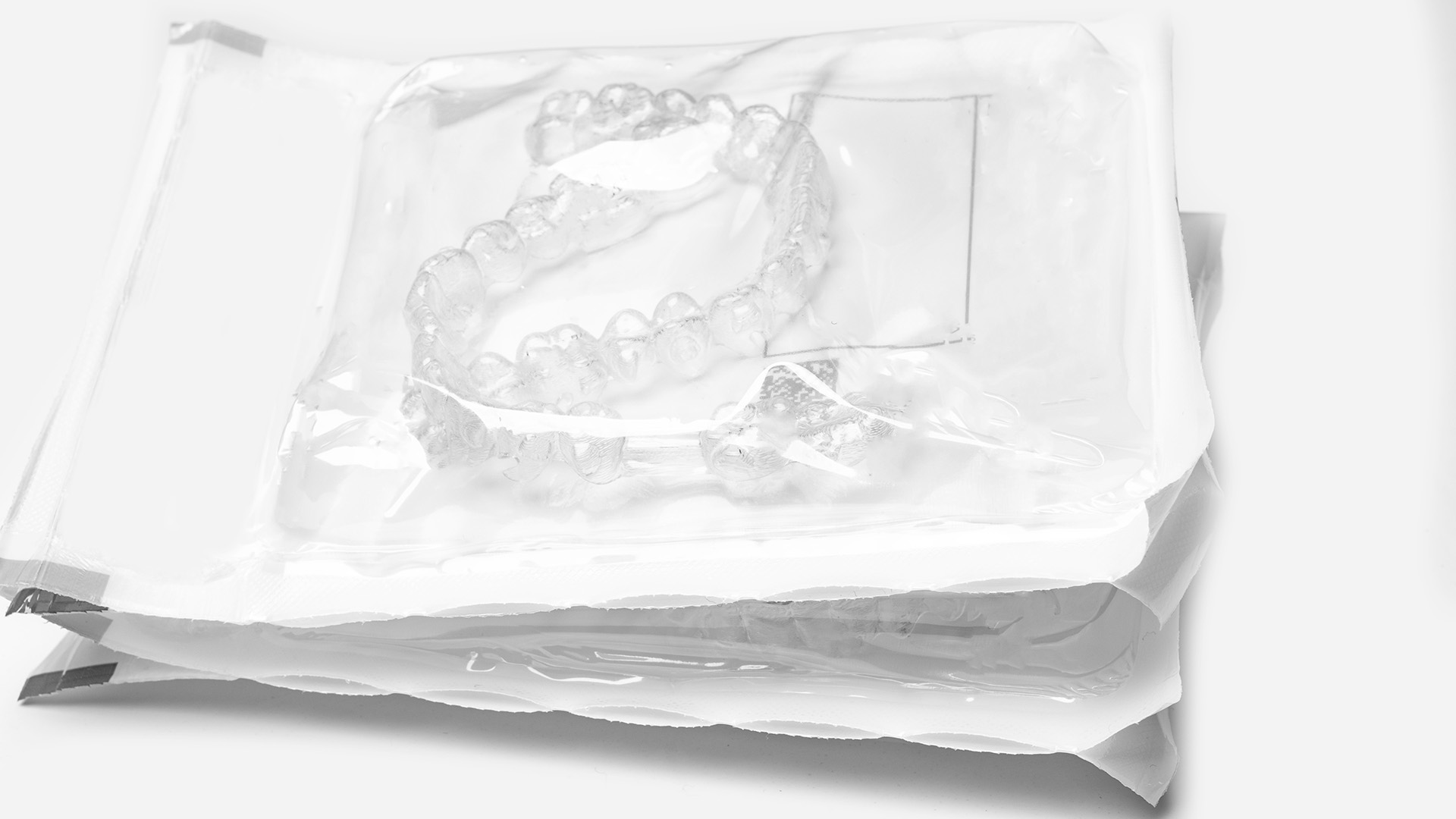
Mail order aligners promise straighter teeth without office visits and often at a lower cost. The convenience sounds appealing, but orthodontic treatment is healthcare that depends on accurate diagnosis and ongoing supervision. If you are wondering whether mail order aligners are safe, the real answer is that safety varies widely based on your oral health, the complexity of your bite, and whether a qualified orthodontist is directing your care. Knowing how these systems work, where the risks lie, and what safer options exist will help you choose confidently. Many people want to know if mail order aligners are safe because they want a clear, unbiased explanation before committing to treatment at home.
What Mail Order Aligners Are and How They Work
Mail order aligners are clear plastic trays designed to shift teeth gradually at home. Unlike aligners provided through an orthodontist’s office, these services typically rely on at-home impressions or a brief scan taken at a retail location rather than a full in-office evaluation. They are promoted as quick, budget-friendly, and simple, often emphasizing minimal time commitments and no regular appointments.
The usual process starts with an online questionnaire and an impression kit or a short scan. A remote provider then creates a digital plan and ships a series of trays for you to wear in sequence. Any check-ins are often done through an app, text, or email. While this can work for a narrow group of very mild cases, it bypasses important diagnostic steps and reduces the ability to tailor treatment in real time. That shortcut is where the biggest safety concerns arise for mail order aligners.
Why Mail Order Aligners Carry Higher Risks
Beginning orthodontic treatment without complete records and a clinical exam invites problems. Trays based on inaccurate impressions or incomplete scans may not fit securely or move teeth as intended. Misfit aligners can irritate gums, create uneven pressure, and push teeth in directions that harm your bite. The result may be new gaps, bite interferences, or relapse that becomes expensive to correct later. When people ask if mail order aligners are safe, these fit and force-control issues are a major part of the answer.
Hidden dental issues can escalate without proper screening. Conditions like gum disease, active cavities, impacted teeth, inadequate bone support, or a history of root resorption must be addressed before any tooth movement. Moving teeth in the presence of periodontal disease or decay can worsen inflammation, trigger pain, loosen teeth, and in severe cases contribute to tooth loss. Bite changes that are not monitored can also aggravate jaw joint problems, including clicking, soreness, or headaches related to the temporomandibular joint (TMJ).
The lack of consistent professional oversight is a significant safety gap. Orthodontic tooth movement is a biological process and does not follow a fixed schedule for every person. In-office care allows your orthodontist to adjust the plan, add attachments to control tooth rotation and root position, perform interproximal reduction where appropriate, and manage issues such as black triangles, gum recession, or bite interferences as they appear. Without these tools and hands-on monitoring, small issues can become major complications that are harder to fix after the fact.
In-Person Orthodontic Care vs. Mail Order Aligners
In-office orthodontic treatment begins with a thorough evaluation that includes digital scans, X-rays, clinical photographs, and an exam. These records reveal gum and bone health, eruption patterns, root positions, jaw growth, airway considerations, and restorations that influence how teeth can safely move. During treatment, your orthodontist monitors how roots and bone respond, confirms that each aligner stage is completed as planned, and makes adjustments to keep your progress on track and safe.
Hands-on care improves safety and results by:
- Customizing aligner design and staging to match your goals and biology
- Using attachments and elastics to achieve controlled movements
- Performing enamel contouring and interproximal reduction when beneficial
- Coordinating with your dentist to manage cavities, gum health, and restorations
- Ordering updated scans or X-rays when needed to assess roots and bone
This precision helps correct crowding, spacing, rotations, overbites, crossbites, and open bites more predictably than a one-size-fits-all, remote model. Outcomes are typically more stable because the bite is balanced, not just the front teeth straightened.
Real-world data and clinical experience consistently show higher success and satisfaction when a specialist diagnoses, plans, and supervises the entire process. The difference is not just cosmetic. A well-managed plan protects gum and bone health, preserves enamel, and aligns the bite for better function long term. By comparison, mail order aligners often focus on limited tooth movements and do not reliably address underlying bite issues, raising the chance of complications and retreatment. This contrast is central to evaluating whether mail order aligners are safe for your specific needs.
Warning Signs Mail Order Aligners Are Not Right for You
Be especially cautious about mail order aligners if any of the following apply to you:
- Gum disease, inflamed or bleeding gums, or a history of periodontal treatment
- Frequent or recent cavities, tooth pain, or sensitivity
- Loose or mobile teeth
- Jaw pain, clicking, locking, or headaches possibly related to TMJ
- Moderate to severe bite issues such as deep overbite, crossbite, or open bite
- Rotated, impacted, or severely crowded teeth
- Missing teeth that affect bite balance or space distribution
- Previous orthodontic relapse that needs more than minor alignment
- Restorations such as implants, bridges, or large crowns that require special planning
If you are already wearing aligners and notice persistent tooth pain, gum irritation, trays that do not fully seat, shifting bite contacts, difficulty chewing, speech changes, or new jaw discomfort, stop and consult an orthodontist. A specialist can determine whether attachments, elastics, enamel contouring, or even a change in plan is needed, and whether imaging is required to protect roots and bone.
Every smile has a unique biology and bite dynamics. A careful evaluation ensures your plan addresses tooth movement, gum and bone health, bite function, and the long-term stability of your results, not just how your teeth look in a selfie. Asking early if mail order aligners are safe for your situation, helps you avoid problems and choose the right level of supervision.
Safer Alternatives to Mail Order Aligners
When supervised by an orthodontist, clear aligners and braces are both safe and effective. These options use precise records and real-time adjustments to guide tooth movement with control that remote systems cannot match.
| Option | Best For | Key Advantages |
| Orthodontist-directed clear aligners | Mild to complex cases needing discreet treatment | Custom attachments, accurate staging, mid-course corrections, coordinated dental care |
| Traditional braces (metal or ceramic) | Complex rotations, significant bite correction, or when constant force is beneficial | High control over tooth and root movement, efficient for challenging cases |
| Specialty appliances | Specific bite problems (crossbite, expansion, or growth modification) | Targets jaw and arch development for better long-term stability |
In-office aligner systems also offer stronger quality control, predictable materials, and the ability to change course when necessary. Your orthodontist can adjust wear schedules, add or remove attachments, perform interproximal reduction carefully, and coordinate with your general dentist to keep cavities and gum health in check during treatment. This comprehensive approach reduces risk and supports a healthier, more stable smile. For those weighing mail order aligners against supervised options, these safeguards are a key factor in determining whether mail order aligners are safe enough for your goals and oral health.
Cost, Convenience, and the True Value of Supervision
Mail order aligners are marketed heavily on price and convenience. However, skipped diagnostics and minimal supervision can lead to complications that cost more to fix later. Retreatment, bite adjustments, and managing gum recession or enamel wear are common reasons patients seek help after unsupervised aligner use. In many cases, choosing supervised care from the start is more cost-effective over the full course of treatment and maintenance.
Convenience matters, but so does peace of mind. In-person care provides direct access to your doctor, clear timelines, and a predictable path to results. When questions arise, you get immediate guidance from a specialist who knows your case, not from a chatbot or generic support line. If you are still comparing options and asking yourself, are mail order aligners safe compared to in-office care? Consider the long-term value of comprehensive diagnostics and ongoing oversight.
How to Decide If Mail Order Aligners Are Appropriate
A practical way to approach the decision is to align the level of supervision with the complexity of your bite and your oral health. Very minor alignment concerns in an otherwise healthy mouth may be easier to manage, but only after a professional rules out hidden issues. More complex problems, crowding, bite discrepancies, gum inflammation, restorations, or previous root resorption, generally require in-person oversight for safety and predictability.
- Start with a comprehensive dental checkup to verify gum health and rule out decay.
- Request a full orthodontic evaluation, including scans and X-rays, before moving any teeth.
- Ask how attachments, elastics, or enamel contouring will be handled if needed.
- Confirm there is a clear plan for monitoring root and bone changes during treatment.
- Ensure you have access to in-person care if discomfort, poor fit, or bite changes occur.
Using these steps helps you make an informed decision about whether mail order aligners are safe for your unique situation and what safeguards you will need throughout treatment.
Next Steps
Orthodontic care influences more than appearance. It affects gum and bone health, jaw function, and the way your teeth work together every day. If you are considering mail order aligners, seek a professional evaluation to learn if you are a candidate for clear aligners under expert supervision or whether another option is better for your goals.
During a first visit with an orthodontic specialist, you can expect digital scans or impressions, diagnostic photos, and X-rays when appropriate. Your goals, treatment options, timelines, costs, and insurance benefits are reviewed so you can make a confident, informed decision. You will leave with a plan built for safety, comfort, and lasting results.
Choosing wisely starts with asking the right question: are mail order aligners safe for me? With the right information and the proper level of supervision, you can protect your oral health and achieve a smile that looks good and functions well for years to come.