


An underbite occurs when the lower teeth sit ahead of the upper teeth when you bite down. It can affect chewing efficiency, speech clarity, jaw comfort, and overall confidence. The encouraging news is that underbites can be treated at nearly any age using modern orthodontics and, when appropriate, jaw surgery. This guide explains the causes of underbites, how orthodontists diagnose them, and the most effective treatments so you can make an informed plan with a specialist. This overview walks you through options for children, teens, and adults.
Understanding Underbites
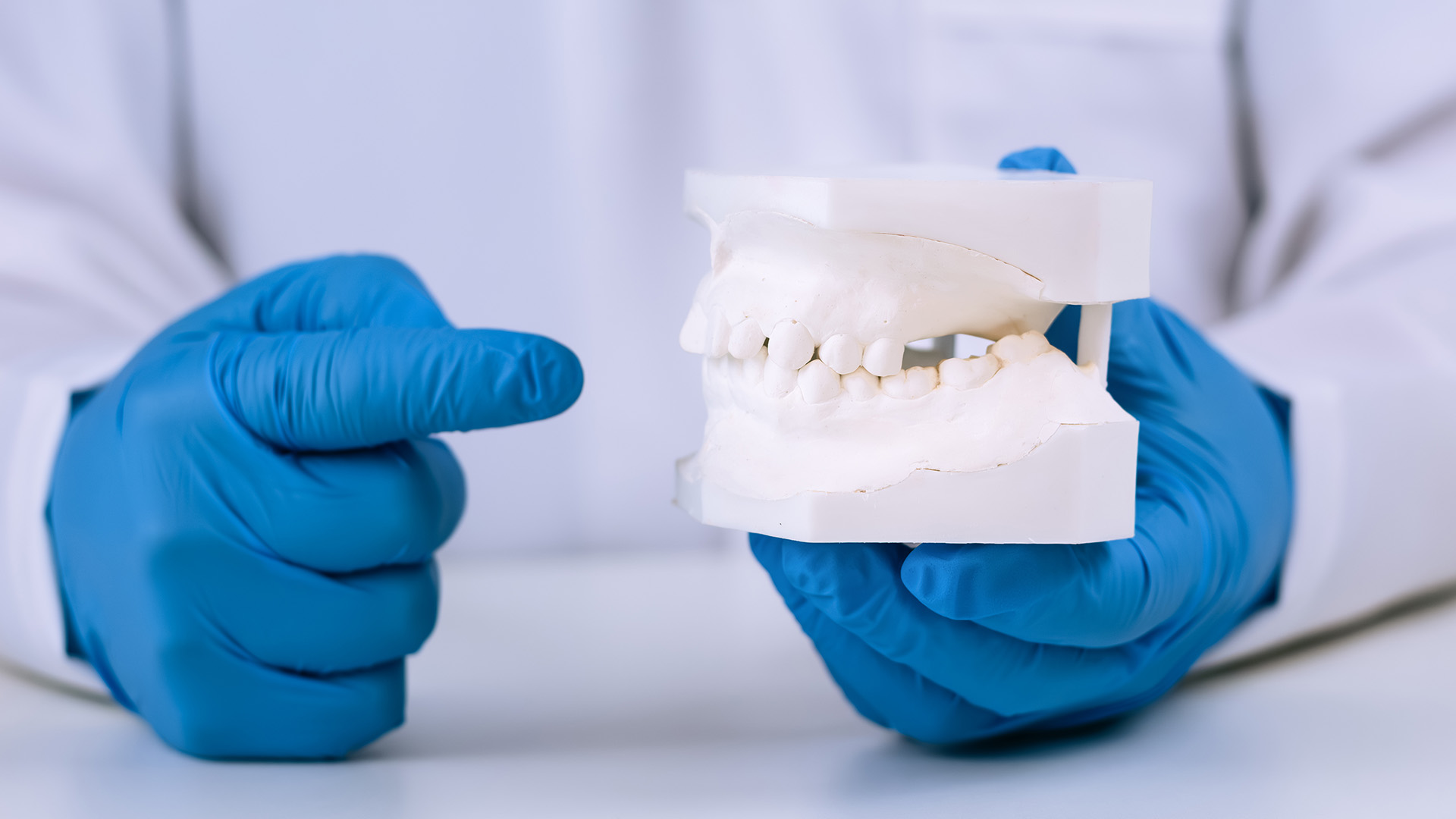
What is an underbite? An underbite (Class III malocclusion) is a bite relationship where the lower front teeth or jaw project ahead of the upper front teeth. Underbites are generally categorized as dental or skeletal.
Dental underbite: Jawbones are normal in size and position, but tooth angles or positions create a reverse bite.
Skeletal underbite: The lower jaw may be oversized, the upper jaw underdeveloped, or both, causing a mismatch in jaw size and position.
Common signs and symptoms:
- Lower front teeth overlap or sit ahead of upper front teeth
- Difficulty biting or chewing certain foods
- Excess tooth wear, chipping, or enamel erosion
- Jaw or facial asymmetry, jaw fatigue, or discomfort
- Speech differences such as a lisp or difficulty with certain sounds
- Mouth breathing or snoring in some cases
Typical causes:
- Genetics and family history of Class III growth patterns
- Differences in jaw growth rates during childhood and adolescence
- Early loss of baby teeth or prolonged oral habits that influence bite
- Cleft lip/palate or other craniofacial conditions
- Tooth position issues, such as crowding or crossbites, that shift the bite into a reverse relationship
Diagnosis and Assessment
How orthodontists evaluate underbites: Diagnosis begins with a clinical exam to assess facial balance, jaw function, and how the teeth meet. Orthodontists use photographs, digital scans, and impressions to map tooth positions. X-rays, including cephalometric and panoramic images, reveal jaw size, position, and growth patterns. A bite analysis determines how the arches fit and whether the problem is dental, skeletal, or a combination.
When to seek an assessment: Children can be evaluated as early as age 7. Early assessment helps identify growth-related issues and allows timely interceptive care. Teens and adults should seek evaluation if they notice a reverse bite, jaw asymmetry, difficulty chewing, or if past treatment did not fully correct the bite.
Severity and age matter: Mild dental underbites in teens and adults may be corrected with braces or clear aligners and elastics. Moderate to severe skeletal underbites often require a combined approach, especially once growth has finished. In growing children, guiding jaw growth with early appliances can reduce severity and may prevent the need for surgery later. A professional evaluation clarifies whether tooth movement alone or jaw repositioning is needed.
Treatment Options and How They Work
Non-surgical orthodontic approaches:
- Braces: Fixed braces reposition teeth and can correct many dental underbites. Elastics (rubber bands) often guide the bite into alignment.
- Clear aligners: For selected cases, aligners with attachments and elastics correct dental underbites while providing a discreet, removable option.
- Expanders: In younger patients, a palatal expander widens the upper jaw to correct crossbites and create space, improving the bite relationship.
- Functional appliances: Devices such as facemasks (reverse-pull headgear), often paired with expanders, encourage forward growth of the upper jaw in children.
Who they are for: These methods are ideal for dental underbites and mild skeletal discrepancies, especially in patients with growth remaining. Adults with mild cases can also benefit, though correction relies on tooth movement rather than jaw growth.
Surgical and combined approaches: For significant skeletal underbites, particularly in adults, orthognathic surgery may be recommended. This coordinated plan includes pre-surgical orthodontics to align teeth, jaw surgery to reposition the upper jaw, lower jaw, or both, and post-surgical orthodontics to finalize the bite. Modern planning uses 3D imaging for precise, predictable results.
Early interceptive treatments: In children, early intervention can guide facial growth. Expanders, facemasks, and limited braces can reduce or even eliminate a developing underbite. Starting around ages 7 to 10, these treatments leverage growth to improve upper jaw position and balance the bite, often making future treatment simpler. Interceptive therapy takes advantage of growth to improve outcomes.
What to Expect During Treatment and Aftercare
Typical timeline and stages: Treatment time varies with severity and approach. Many non-surgical cases take 12 to 24 months. Combined orthodontic and surgical cases may take 18 to 30 months, including pre- and post-surgical phases. Stages often include initial alignment, bite correction with elastics or appliances, detailed finishing, and retention with retainers.
Success factors: Consistent elastic wear, excellent oral hygiene, attending appointments, and following appliance instructions are the strongest predictors of success. For children, timing treatment with growth spurts can enhance outcomes.
Comfort and maintenance: Mild soreness after adjustments or when starting elastics or aligners is common and usually improves within a few days. Use over-the-counter pain relief as directed by your orthodontist. Choose a soft diet after major adjustments or surgery. With braces, avoid hard or sticky foods and use orthodontic wax for irritation. With aligners, wear them 20 to 22 hours per day and clean them with cool water and approved cleaners.
Oral hygiene tips: Brush at least twice daily with a fluoride toothpaste and clean around brackets and along the gumline carefully. Use interdental brushes or floss threaders with braces, and floss daily. Rinse with an alcohol-free mouthwash. Regular professional cleanings help prevent decalcification and gum issues.
Long-term outcomes and retention: After active treatment, retainers maintain your bite and smile. Plan on wearing retainers full-time at first, then nightly long-term, as advised. Growth changes, dental wear, or inconsistent retainer use can lead to relapse. Follow-up may be needed if growth continues unfavorably or if habits return.
Frequently Asked Questions
Can an underbite be fixed without surgery? Yes. Many dental underbites and mild skeletal cases can be corrected with braces, clear aligners, elastics, and expanders. An orthodontic evaluation will determine if your case is a good candidate for non-surgical care and will outline a path forward using tooth movement and appliances.
Is it better to treat an underbite early? Early evaluation is recommended. Interceptive treatment in children can guide jaw growth and often reduces the need for surgery later. Adults can still achieve excellent results through orthodontics and, when needed, orthognathic surgery.
How long does it take to fix an underbite? Most non-surgical treatments take 12 to 24 months. Combined orthodontic and surgical care generally takes 18 to 30 months depending on complexity and healing.
Do clear aligners work for underbites? Aligners can be effective for select underbites, especially dental types or mild skeletal discrepancies. They often require elastics and precise planning. Severe skeletal underbites typically require braces with surgery for a stable result.
Will insurance cover underbite treatment? Coverage varies. Orthodontic benefits may cover part of braces or aligners. When surgery is medically necessary, medical insurance may cover a portion of orthognathic procedures. A treatment coordinator can help verify benefits and provide estimates.
What are the risks of not treating an underbite? Potential issues include accelerated tooth wear, jaw discomfort, gum recession, chewing difficulty, and aesthetic concerns. Over time, these can increase dental costs and impact oral health.
How do I get started? Schedule a consultation with an orthodontist. You will receive a comprehensive exam, imaging, and a personalized treatment plan tailored to your age, severity, and goals.