



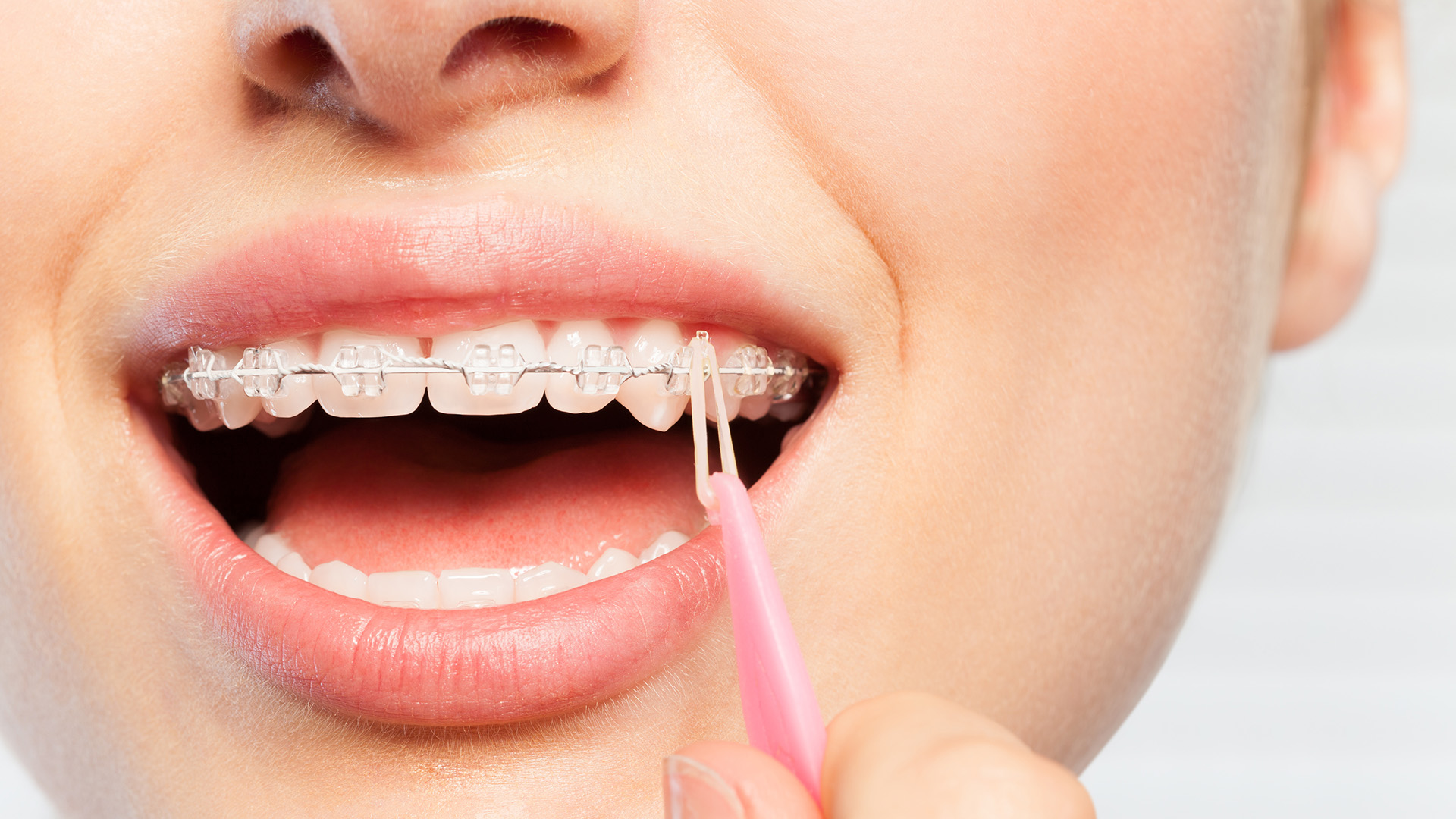
Triangle rubber bands, also called triangular elastics, are small orthodontic bands arranged in a three-point pattern across selected upper and lower teeth. They fine-tune how your bite fits by guiding the way your top and bottom teeth meet. When worn as prescribed, they can speed up treatment, enhance comfort over time, and create a more stable, functional bite. If you are wondering what triangle rubber bands on braces do, they help coordinate tooth positions so your bite settles into the right alignment.
What Triangle Elastics Are and Why They’re Used
Triangle elastics connect three brackets to form a triangle, often between a canine and two opposing teeth. This differs from single elastics (one upper tooth to one lower tooth) and box elastics (a rectangular loop across four teeth). The triangular configuration focuses force in a controlled way to close small gaps, adjust front-to-back overlap of the front teeth, and stabilize the bite during finishing stages. In short, when people ask what do triangle rubber bands on braces do, the answer is that they deliver targeted forces to refine how teeth come together.
Orthodontists use triangular elastics to refine bite relationships, including deep bites and open bites, adjust canine and molar positions, fine-tune the dental midline, and coordinate how the jaws and teeth fit together. They’re commonly prescribed in the middle to late phases of braces after initial alignment, for both teens and adults when appropriate.
Your orthodontist may introduce triangle elastics once teeth are aligned enough to tolerate precise forces, when the midline needs subtle correction, or when the bite is close but not ideal. The aim is a stable, comfortable, and aesthetically pleasing bite that lasts.
How Triangle Rubber Bands Work and How to Wear Them
Biomechanically, the triangular pattern applies gentle, continuous forces that pull selected teeth toward each other and guide the upper and lower arches into better contact. Placement determines the direction of pull: front triangles can help close an anterior open bite, while posterior triangles can refine canine guidance and molar fit. Because the elastic forms a closed loop among three points, it distributes force across more teeth for coordinated movement and bite settling.
How to place triangle elastics:
- Wash your hands and face a mirror.
- Hook the elastic on the first designated bracket, stretch to the second, then to the third to complete the triangle.
- Remove by lifting off one hook at a time.
Most patients are asked to wear them full time (about 20–22 hours per day), removing only for meals and brushing, unless your orthodontist specifies nighttime-only wear.
Practical tips:
- Use the size and strength provided; don’t mix brands or reuse stretched elastics.
- Change elastics at least twice daily or as directed to keep force consistent.
- Keep packets at home, school, and work for quick replacement.
- Maintain excellent oral hygiene: brush after meals and use floss threaders or interdental brushes.
- Expect mild soreness for a few days; manage with over-the-counter pain relievers and a soft diet.
- If an elastic breaks or is lost, replace it right away and resume the prescribed pattern.
Troubleshooting, Care, and When to Contact Your Orthodontist
Common issues include soreness, cheek or gum irritation, and missed wear time. Soreness typically improves within 48–72 hours; stay consistent, use warm saltwater rinses, and place orthodontic wax on irritating hooks. If you forget to wear elastics, don’t double up later, return to your normal schedule. If teeth seem to move in an unexpected way, pause and call your orthodontist before continuing.
Care and replacement:
- Store elastics dry, at room temperature, sealed in their original bag.
- Don’t wash or pre-stretch them, and avoid leaving them in a hot car.
- Change them whenever they feel loose; many patients use several per day.
- Set phone reminders or use a checklist to maintain 20–22 hours of wear for predictable results.
Contact your orthodontist if you have persistent pain beyond a few days, sores that don’t heal, an elastic that can’t be placed as shown, broken hooks or brackets, signs of latex allergy, or if you’re running low on elastics. Good questions for check-ins include: Is my wear time sufficient? Do I need a different pattern or strength? How close am I to my bite goals? With consistent wear and regular follow-ups, triangle elastics can make the final stages of braces more efficient and effective.